
Research

The mathematics behind AI you can trust with a plant.

Imubit's research starts with the mathematics of why neural networks work, and when they can be trusted to act. That foundation sits under every Deep Learning Process Control® controller running a unit today, inside the envelope its engineers set.

Prof. Nadav Cohen

Prof. Nadav Cohen

Co-founder and CTO, ImubitAssociate Professor of Computer Science and AI, Tel Aviv University

Nadav leads research that runs from the foundations of deep learning to its use in the physical world. His academic group at Tel Aviv University develops mathematical theories of neural networks and the experiments that test them. At Imubit, his teams build the models that make decisions on running plants.

  • ERC Starting Grant2024, for his work on "A Theory of Neural Networks for Control"
  • Israel AI Safety Research Prize2026, with his Tel Aviv University students
  • US National Academy of InventorsSenior Member, 2026
  • NeurIPSMember of the senior program committee
  • TLV AI 50Named to the 2026 list
  • Earlier honorsGoogle Research Scholar Award (2021), ELLIS Scholar (2020), postdoctoral fellow at the Institute for Advanced Study, Princeton (2017)
Nadav's research site

Three questions behind every controller.

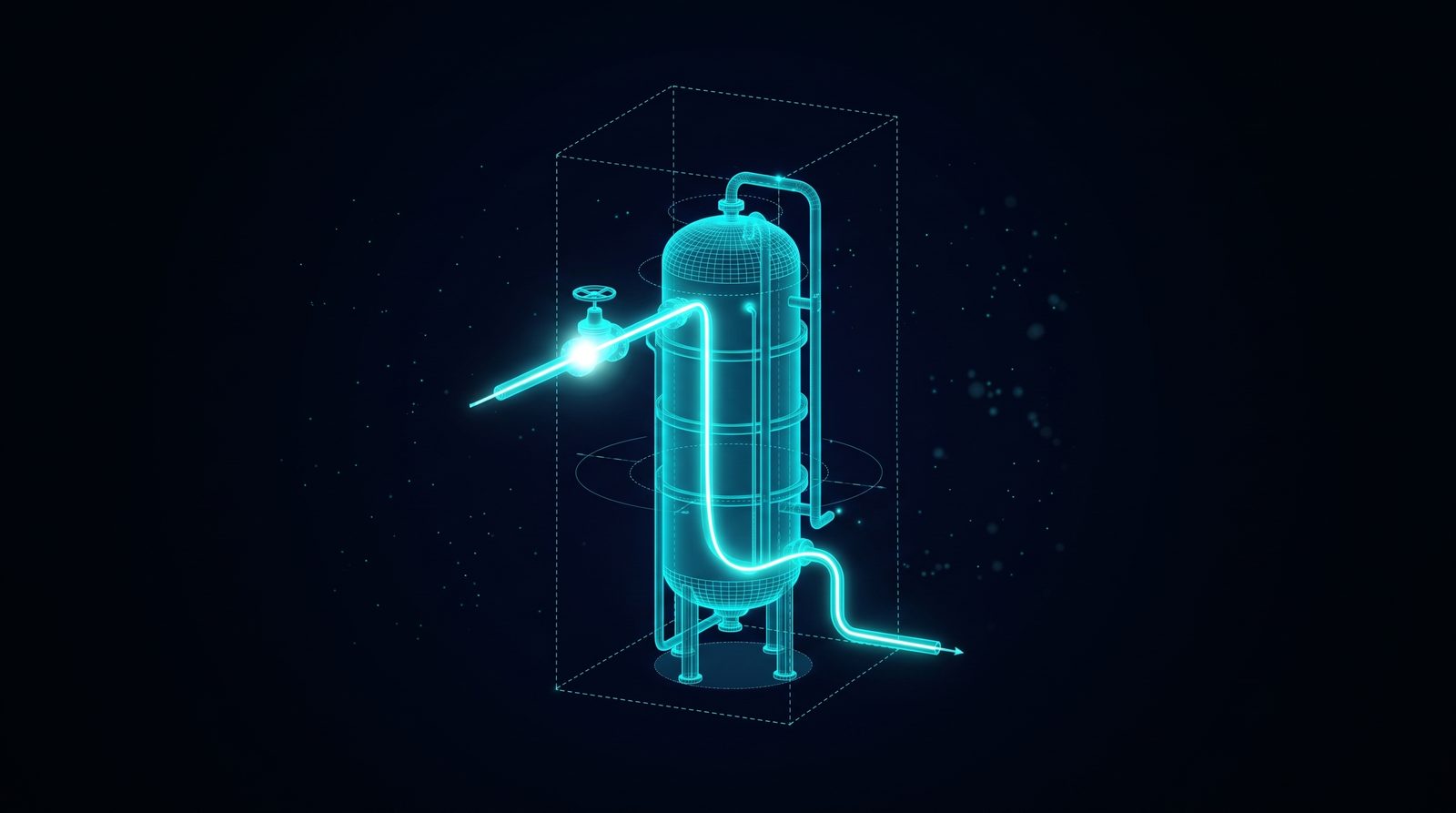
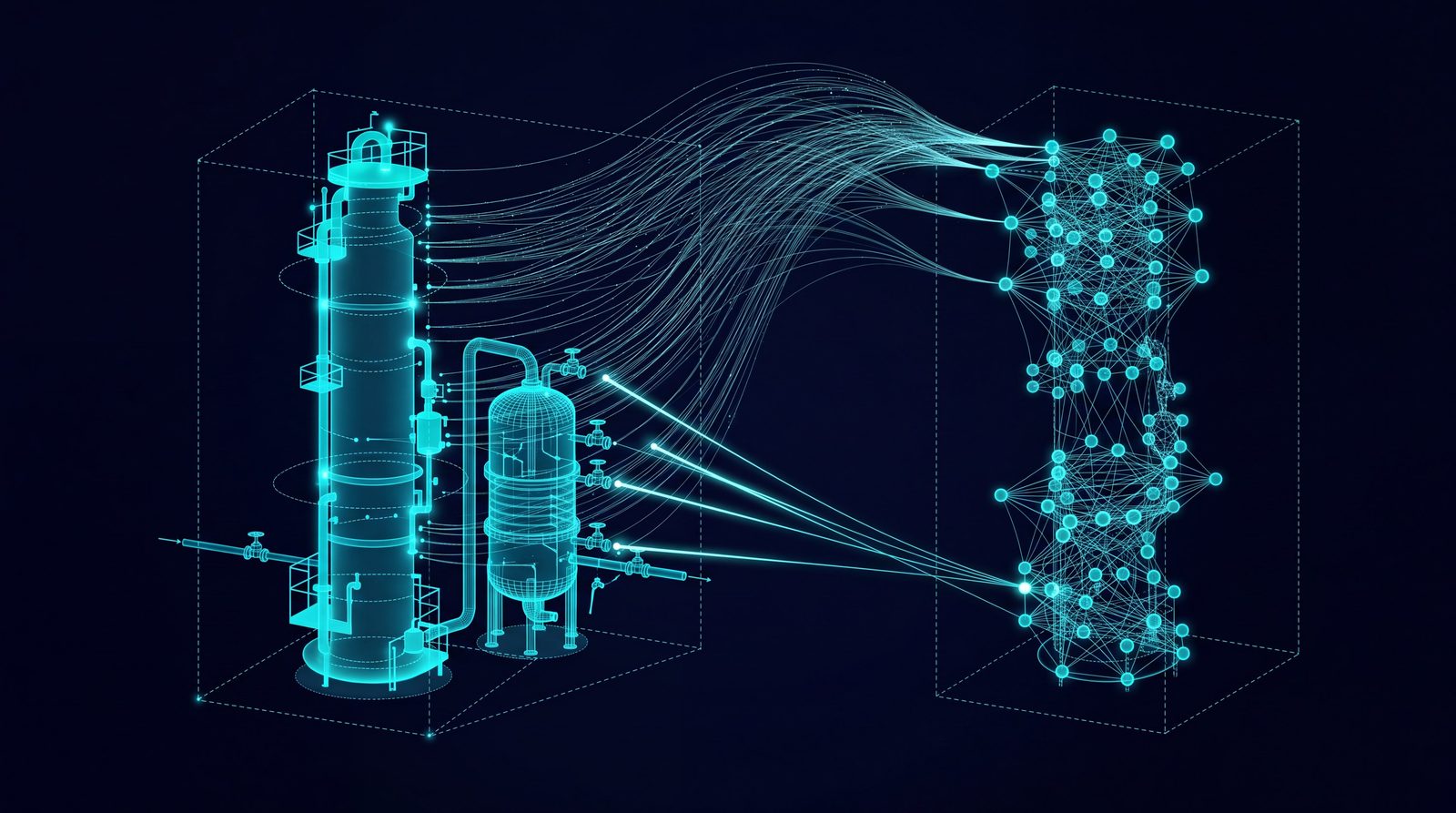
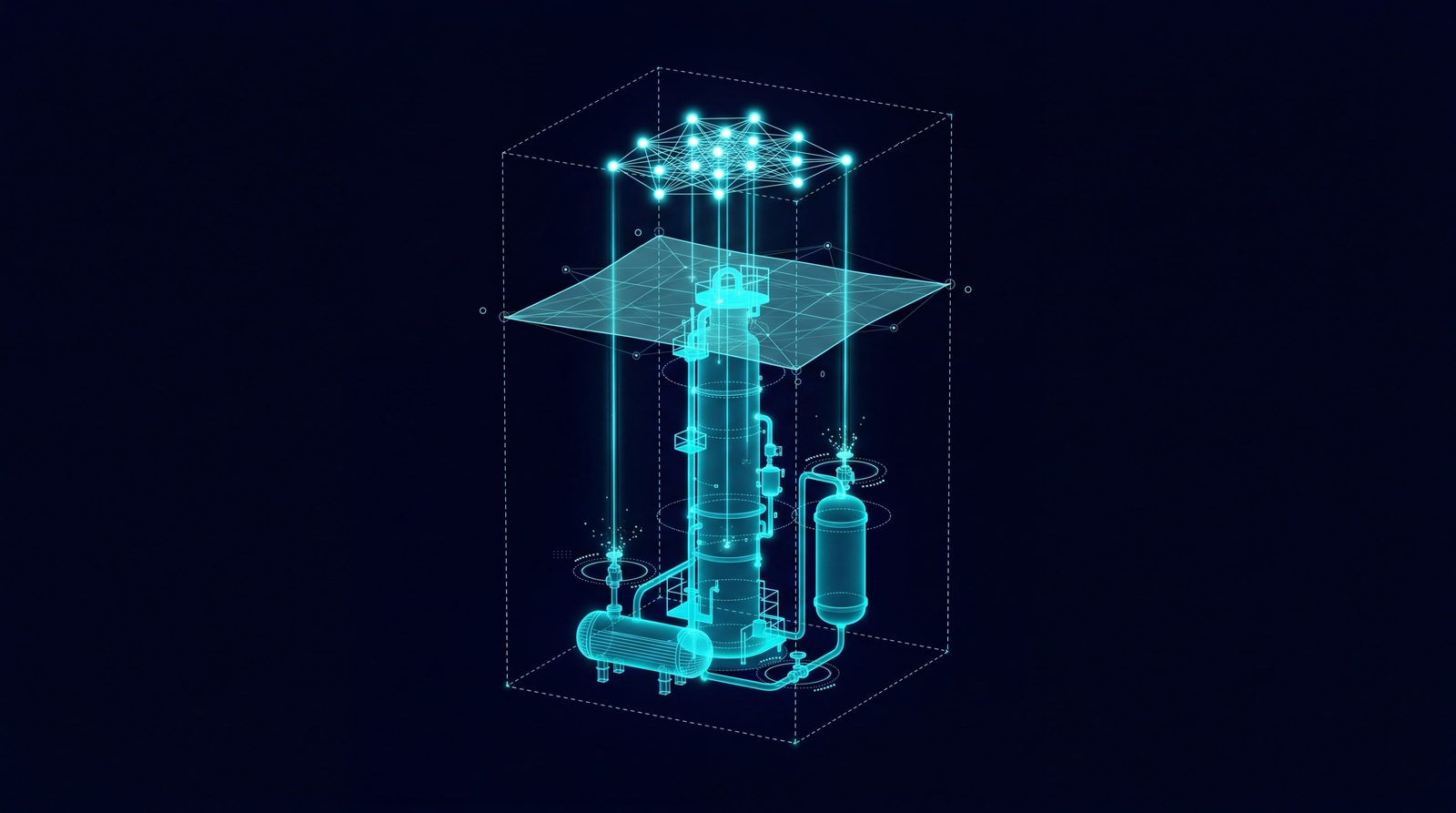
A process unit with its control layers and a learned controller writing setpoints down to its valves

When can a neural network be trusted to act?

Most AI is built to predict. Control is harder: the model's output moves a real unit, and a wrong move costs product, energy or safety margin. Nadav's ERC-funded research develops a theory of neural networks for control, to understand mathematically when a learned controller behaves well and why, rather than only testing it after the fact.

How Control works

Many paths of light fanning out from one point, each ending somewhere different

Why safety learned somewhere else does not carry over.

His group showed that an agent that learned to act safely on one set of tasks does not, by that fact, act safely on new ones: safe execution transfers worse than execution itself. That is why a DLPC® is built and validated for each unit, and runs inside the envelope that unit's engineers set.

Read the spotlight
A single steady line of light between two points

Why the controller is deterministic.

A Deep Learning Controller is trained by reinforcement learning across millions of simulations of the unit, then runs as a deterministic controller: the same conditions get the same move, every time. Closed loop never runs through a language model.

What Closed-Loop Physical AI means

Selected papers

All of Nadav's publications

Selected talks

  • AI-Based Process Optimization in Refining: A Joint Industrial Case Study32nd Process Control Systems Meeting (PCS 2026), Hungary, presented with the refiner's process team
  • Generalization in AI Agents: Lessons from Linear-Quadratic ControlIMSI Workshop on New Directions in Reinforcement Learning and Control, Chicago, 2026Slides
  • Implicit Biases in Transformers and SSMs: Distribution Shifts Can Improve GeneralizationBIRS Workshop on High-Dimensional Learning Dynamics, Banff, 2026VideoSlides
  • Offline Reinforcement Learning in the WildIMVC 2025, Tel Aviv, keynoteSlides
  • Implicit Biases of Gradient Descent in Offline System Identification and Optimal ControlAI Week 2024, Tel AvivVideoSlides
  • Practical Implications of Theoretical Deep LearningIMVC 2020, keynoteVideoSlides
All of Nadav's talks
Where to start

Find out what your gap to plan is costing you.

  • One to two hours for your team to prepare and upload the data package

  • Results within a few working days of approval

  • No workshops

Send your data as it is. Gaps, outages and noisy tags are normal, and our engineers screen and clean them in the platform. If anything limits a use case, we tell you.