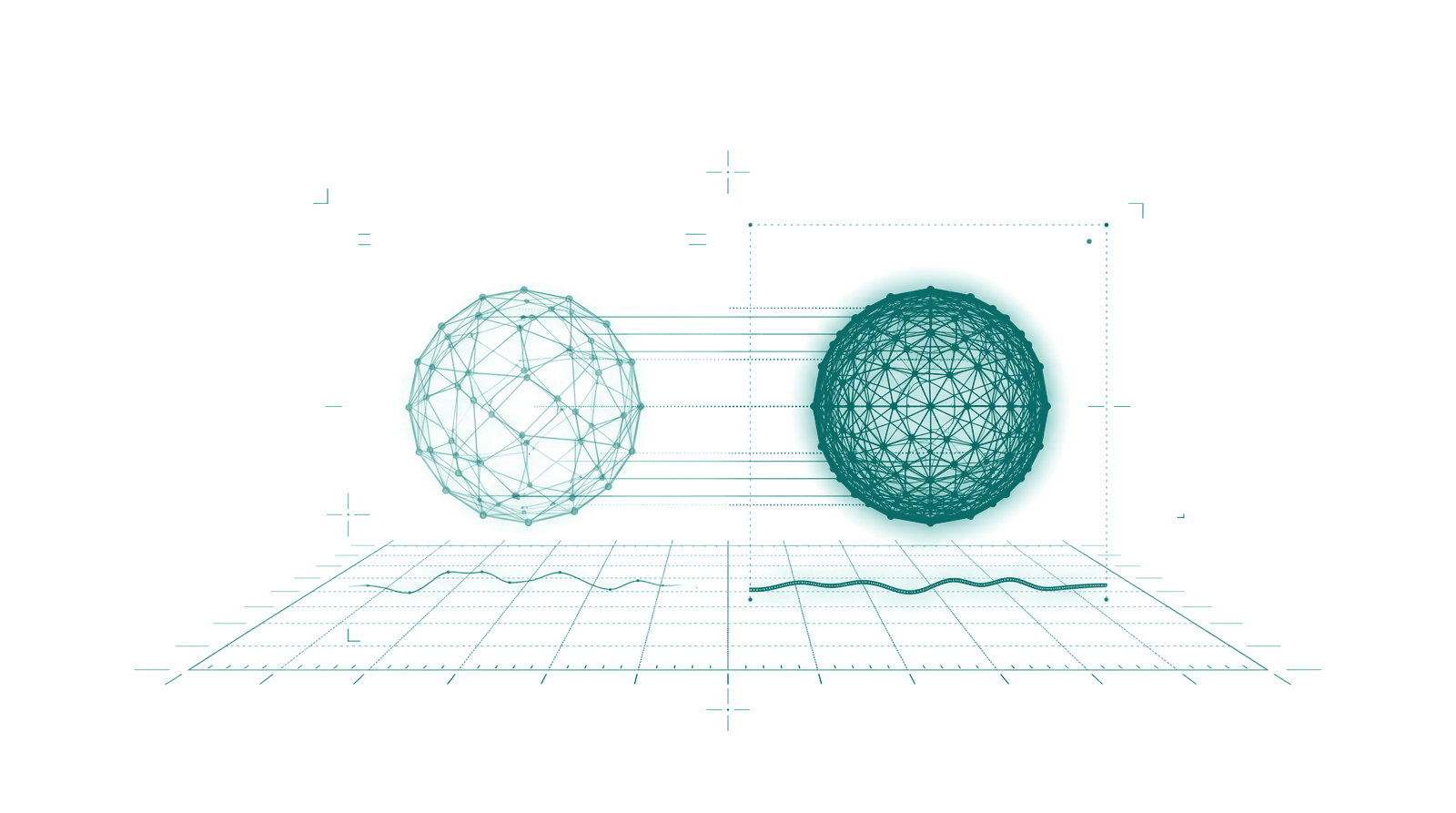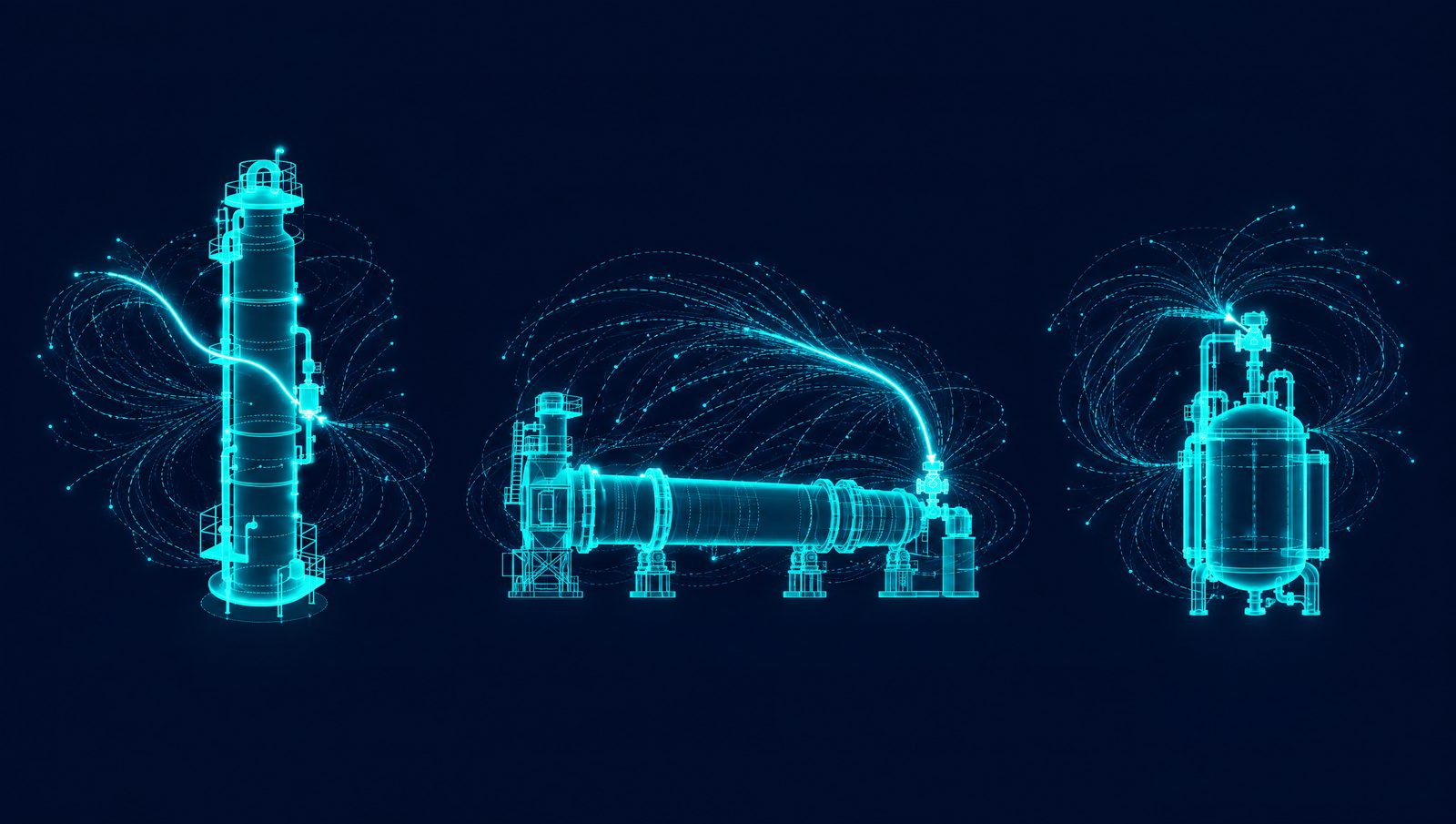

Most AI in industry learns correlation: which measurements tend to move together. That is enough to predict a value, and for many uses it is all you need. To act on a running unit, it is not.
Correlation predicts, causation acts
Ice cream sales and sunburn rise together, because both follow the summer. A model trained on that data predicts sunburn from ice cream sales accurately, and it is no help in deciding whether selling less ice cream would prevent a sunburn.
A process unit sets the same trap. In the historian, yield may move with a temperature because both follow the feed. A correlation model learns the pattern. Move the temperature on its own and the prediction breaks, because the move changed the conditions the pattern was built on.
What a causal model learns
A causal model learns the relationships between decisions and outcomes: what the unit does when you make a deliberate move, separated from feed swings, equipment wear and other disturbances. With that, you can:
- explain each prediction, because every relationship in the model is visible
- simulate a change before you make it
- make moves in closed loop, because the model answers the question a controller asks: what happens if I do this?
Why closed loop needs it
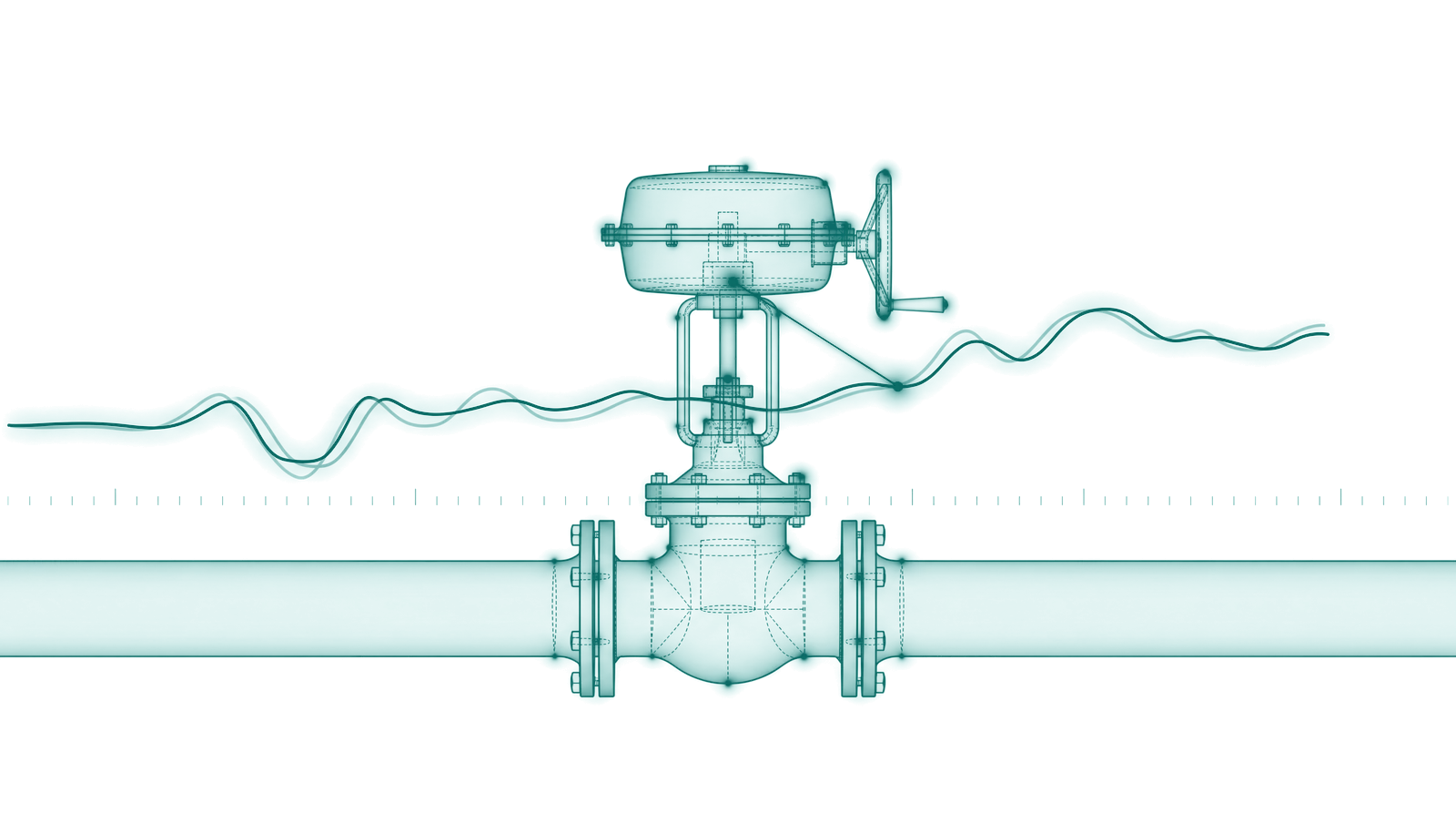
Advisory models can lean on correlation, because a person checks each recommendation. Even then, a causal model can explain why it recommends a move. In closed loop the controller acts on the model's answer every minute, so the model has to capture cause and effect. It also has to be deterministic: the same inputs give the same move, every time, so your engineers can test it and sign off on it.
How Imubit builds causal models
Imubit learns each unit from its own operating history, with first principles built in where the data runs thin. Engineers set relationships the model must respect, such as the direction of a gain or a mass and energy balance. Each model is tested on data it never saw, and your engineers certify it before anyone relies on it.