Imubit Inside

Build closed-loop optimization into what you sell.

Your equipment and your expertise, with our models. Sell optimization under your own brand or co-branded, without building an AI team.

The missing layer

Every layer has an owner but one.

Planning sets the intent. Control executes it. The layer between decides where the plant should run.

The control hierarchyIllustrative

Applications built on the platform.

How it is builtIllustrative
Application

The Imubit Platform
Your plant
Today
Built on the platform
What changes
Cement strength

Less clinker at the same strength.

Cement is sold on its 28-day strength, and the test that proves it takes 28 days. Plants aim well above the specification to cover the wait, and they pay for that margin in extra clinker, finer grinding and less of the materials that replace clinker. Clinker is the costliest and most CO2-intensive part of every tonne.

Where the margin goesIllustrative

  1. The specification sets a floor.Plants aim above it by a margin sized to the spread they cannot see: quarry chemistry, clinker from the kiln and fineness from the mill.
  2. Prediction narrows the spread.With strength predicted at 1, 3, 7 and 28 days while the cement is still being made, the spread the quality team manages shrinks to the model's error.
  3. The target comes down.A recipe tool on the same models finds the blend with the least clinker, the lowest cost or the lowest CO2 that still meets every strength specification, with the headroom the quality team chooses. The lab then confirms the recipes worth testing.
  4. Cost and CO2 fall together.Every point of clinker factor taken out comes off the cost and the CO2 of every tonne, at the same strength, and grinding no finer than the strength needs saves mill energy.

How it works, in a three-minute film

Cement strength: less clinker at the same strength
Root cause analysis

Find the cause, and close the loop when it recurs.

When a product drifts off spec or a unit stops holding its target, dozens of tags move at once, and the cause often sits in another unit. Most root cause tools stop at a recommendation. Imubit builds root cause applications for a site's own recurring problems on the models of each unit, and when the cause is a decision the unit faces again and again, the same model can make it in closed loop.

  1. Start from the deviationThe operator or shift manager points at what went wrong: the off-spec result, the constraint, the target the unit will not hold.
  2. Test each causeThe unit's process model holds each candidate at its normal value and runs the last hours again. Chained models follow a disturbance from one unit into the next, where many symptoms start.
  3. Act on the evidenceThe causes come back ranked, each with the chain of cause and effect behind it. The models are deterministic, so the same question gets the same answer.
  4. Control it when it recursWhen the cause is a recurring decision, such as running against a constraint nobody tracks, the same model can make that decision in closed loop, on top of your APC or directly on your DCS, inside the envelope your engineers set.

The models learn from the unit's own historian as it is, gaps and quirks included, and our engineers screen and clean the data before any cause is called. Built for process deviations; investigations of equipment failures stay with your reliability program and its tools.

On one refinery's crude furnace after the 2020 IMO spec change, neither first-principles models nor traditional troubleshooting could explain the fouling rate. A model trained on the unit's own operating history isolated the root causes, and together with its fouling prediction and a crude diet study, the result was a 33% reduction in furnace downtime.

A free lime deviation, tested cause by causeIllustrative

Hold a candidate cause at its normal value to see whether the deviation still happens.

  1. Raw mix chemistryMost of the deviation
  2. Fuel heating valuePart of it
  3. Kiln feed rateMoved, but did not cause it
  4. Cooler airMoved, but did not cause it
Operator training

Practice on a model of your own unit.

Rare events and new limits are hard to practice on the live board. The learned model that predicts a unit can stand in for it, so an operator can try a move, see what the hours ahead would bring and learn from it, with nothing reaching the plant.

  1. Start from a real episodeA scenario begins at a moment in the unit's own history, with the conditions that shift actually had.
  2. Make the moveThe model predicts every controlled variable over the hours ahead, with and without the move, and raises the alarms the plant's own limits would raise.
  3. Grade the sessionEach session is scored against the scenario objective: the result, the alarms it caused, how quickly they were acknowledged and whether the procedure was followed.
Scenario: raise heater charge with one burner outIllustrative

Objective Raise charge by at least the target while every variable stays inside its limits over the hours ahead.

For catalyst suppliers

Catalyst performance, proven on the unit.

Refiners set fresh catalyst addition every day against lab results that are days old when they arrive. On the Imubit Platform, a catalyst supplier puts a live model of each customer's unit behind its own technical service, under its own brand, starting as advice.

Equilibrium catalyst activity, the weeks aheadIllustrative

  1. Activity between lab testsEquilibrium catalyst is tested about once a week, and the result reaches the refiner days later. An inferential estimates activity in between from the unit's own data. Feed and catalyst metals are the inputs that matter most, and catalyst metals come back from the lab before activity does.
  2. The question refiners askIf feed metals go up, how much more catalyst should go in now? The advisor answers before the sample comes back: where activity is heading at today's addition, and the rate that holds the target. The upsets, a heavier feed or a resid change, are where it pays.
  3. Direction first, checked against chemistryWith sparse lab data, which way activity is heading can be predicted more reliably than by how much. Every model is checked against catalyst chemistry first: more vanadium cannot raise activity.
  4. Next to your own modelRun beside your first-principles model, agreement builds confidence and disagreement is a reason to look before advising. Because it learns from the refiner's own data, it recommends less catalyst as readily as more.
  5. One number, first thingThe engineer who sets addition wants the recommended rate early each day, with a short report behind it: the last lab result against the prediction, and why they differ when they do.
  6. When the catalyst changesA new catalyst or a reformulation resets what the model learned. Data from the old catalyst trains it, samples from the new one validate it, and accuracy is tracked as results arrive.

How a catalyst program starts

  1. Connect the unitA steady, automatic, read-only feed of the unit's data, documented for the refinery's IT team and agreed with the refiner, including what the supplier sees.
  2. Bring in the lab dataEquilibrium catalyst tests and feed metals, with their timestamps, joined to the process data.
  3. Train and validateInferentials trained on the unit's history and checked on samples they have not seen.
  4. AdviseThe activity estimate and the addition advice inside your technical service, under your brand: a daily number, and a report each time a lab result lands.
  5. Track and retrainAccuracy tracked as lab results arrive, and the model retrained when the catalyst changes.
Who builds on it

Companies that already serve the plant.

Pick your business. See what changes with Imubit inside, and where it sits in your stack.

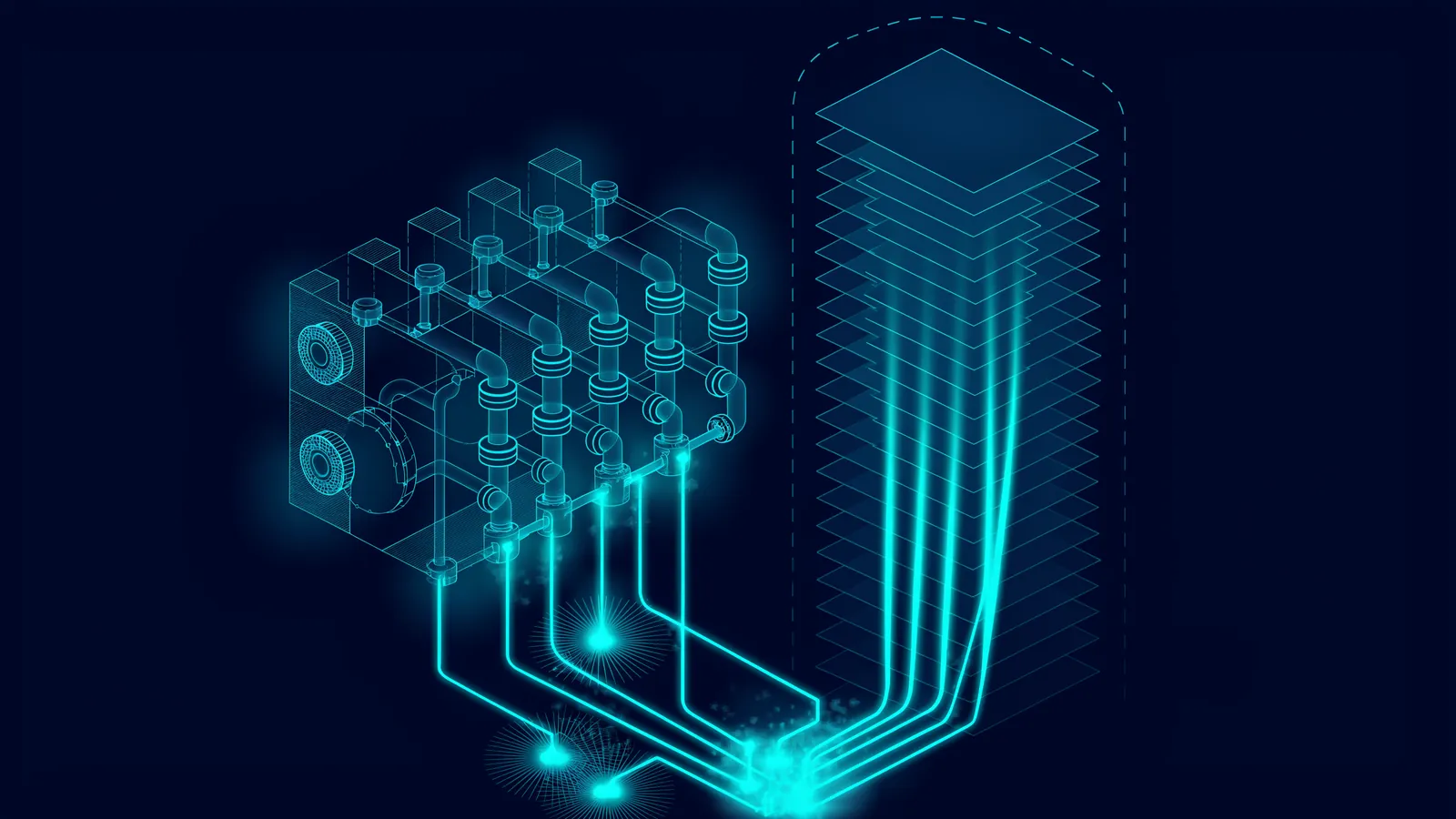
Wireframe of a process unit wired to control cabinets and a layered control network
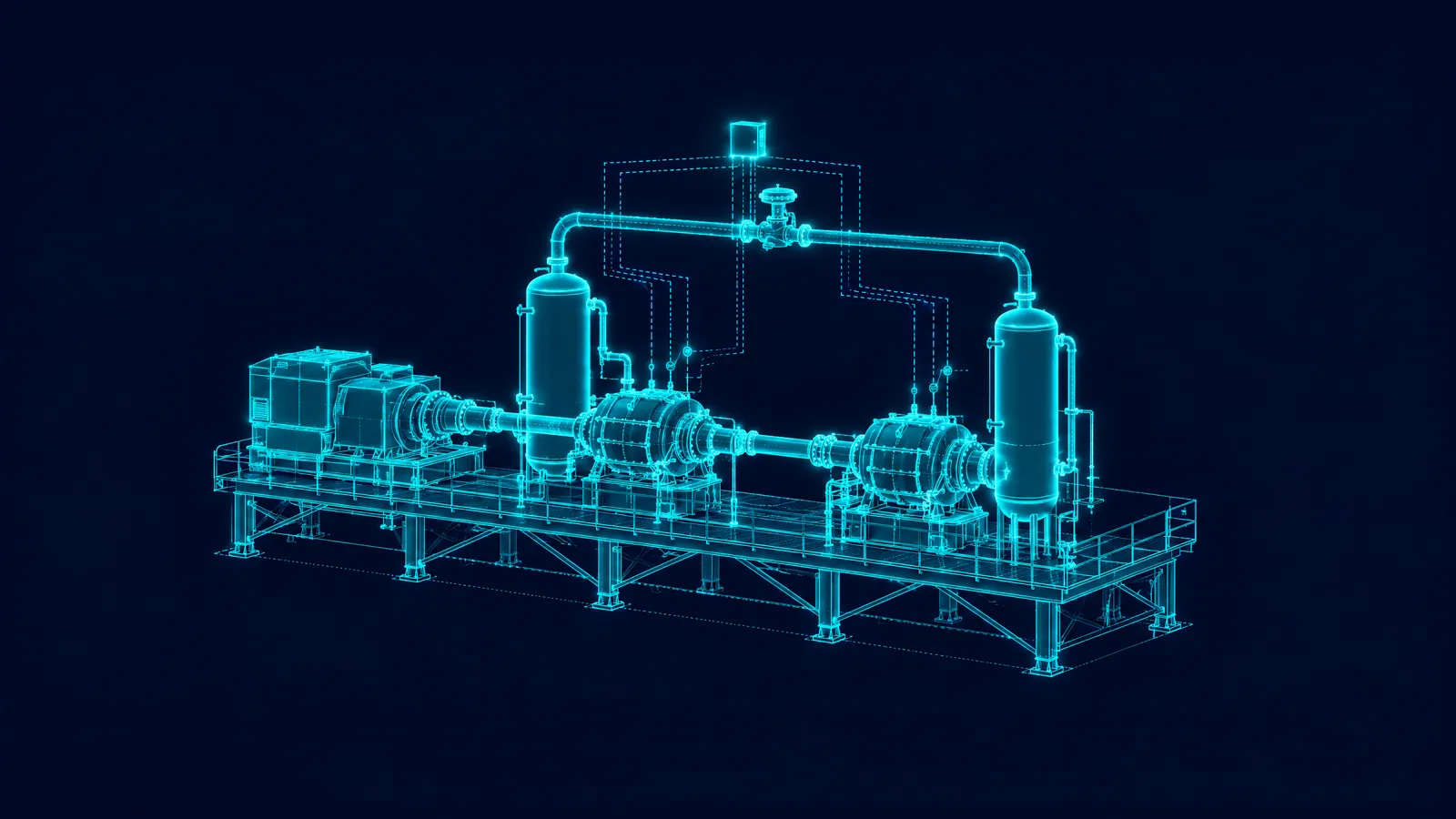
Wireframe of a compressor train on its skid
Wireframe of a distillation column traced into a network model
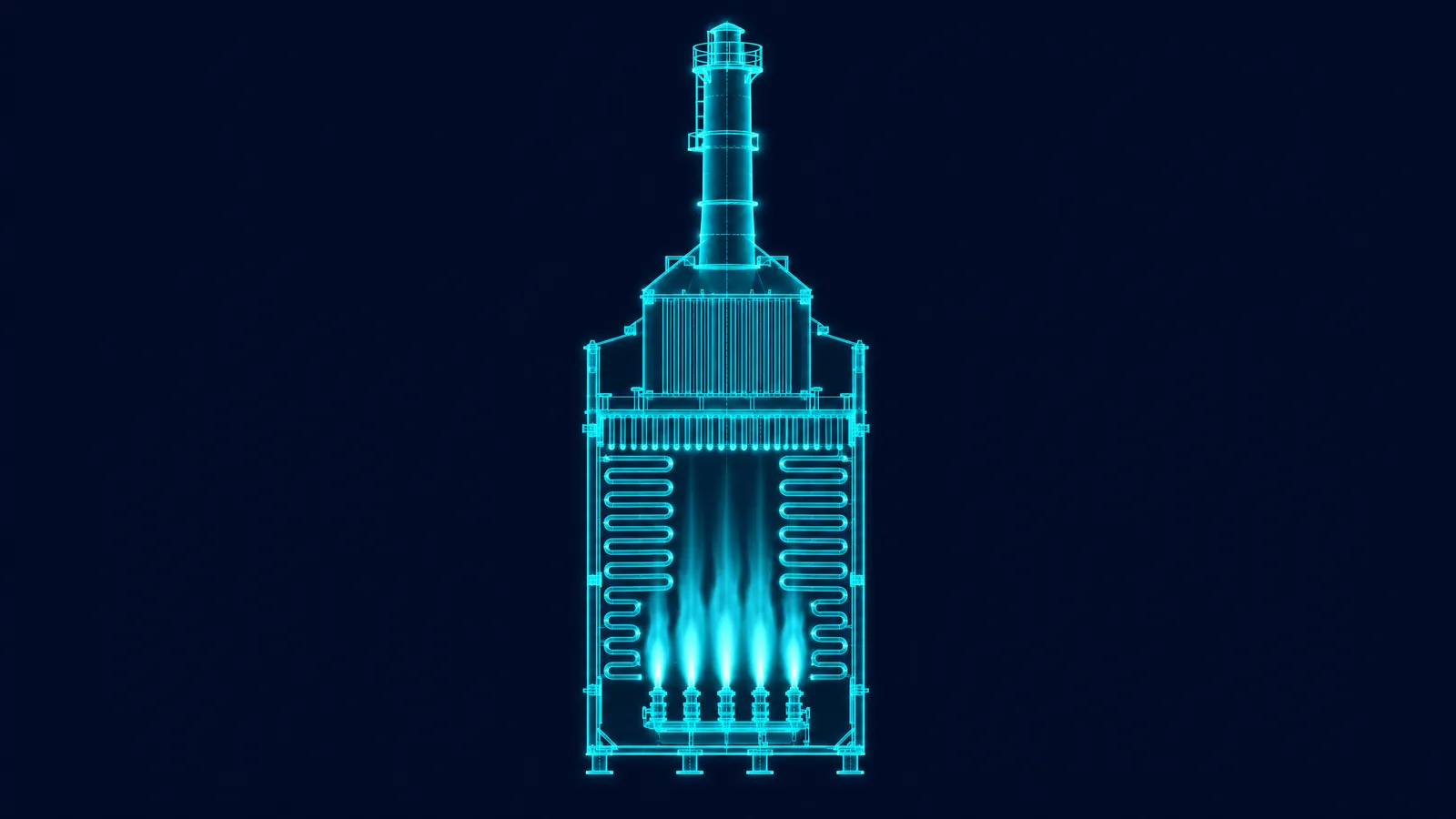
Wireframe of a fired heater with its burners lit
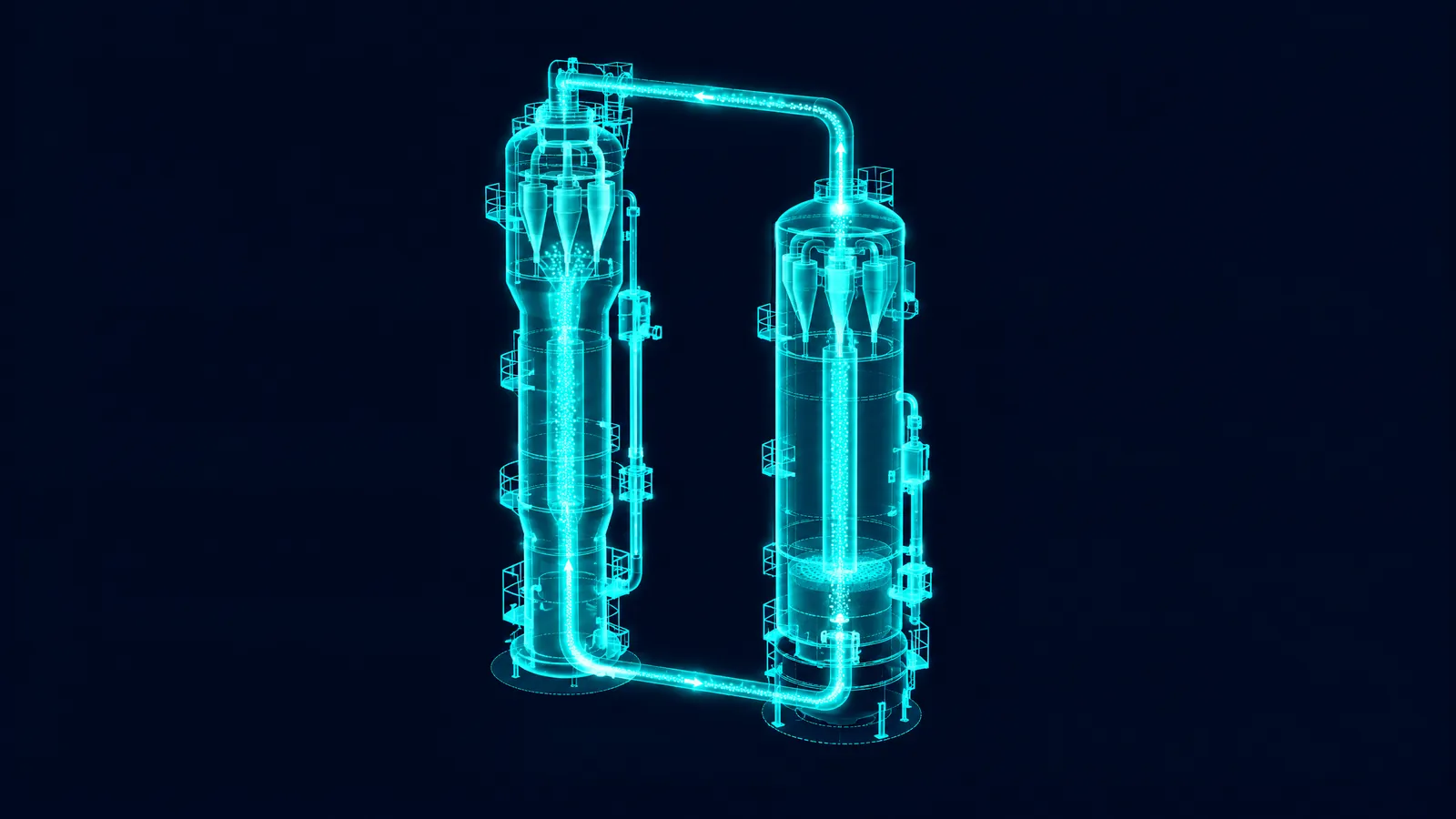
Wireframe of a catalytic reactor and regenerator

Automation and DCS vendors

Where Imubit sits in your stack

In your world
With Imubit inside
Your customer gets
Two ways to work together

Build on Imubit and sell with us.

Do one or both.

Wireframe of an equipment package with a glowing model inside its control cabinet, beside seven plant sites from different industries
Your productImubit models inside
Your customers' plantsUnder your brand or co-branded

Build on the platform

License the Imubit Platform and build models into your own products and services. Your engineers build them in DLPC® Builder, with no Python needed.

Wireframe of one customer plant on its control platform, with a closed loop of light around it
YouThe relationship and the domain knowledge
ImubitThe models and the closed loop
Your customer's plantOn top of the APC where there is one, or directly on the DCS it already runs

Sell with us

Bring closed loop to your customers, together with us.

Whichever you do

Stays yours

  • The customer relationship
  • Your interface and your brand
  • The control system and its limits
  • What you build on the models

ImubitImubit brings

  • A model of each unit as it actually runs
  • Training and retraining on plant data
  • A closed loop proven in production
  • Open access to the models through the Model Context Protocol (MCP) and an open API
Open by design

Not a walled garden.

Your teams, and your customers' teams, reach the same models through the Model Context Protocol (MCP) and an open API, from the AI tools they already use. The language model asks; the deterministic model answers.

AskPut questions to a model of the unit in plain language.
AnalyzeSee what a change would do, why the model moved, and what caused an upset.
Build on itBuild models, analyses, apps and workflows on it, and keep what you build.
See a model built this way

Included in the platform, not an add-on. Nothing depends on a language model: where a site does not use them, everything works in the platform itself.

100+closed-loop controllers deployed worldwide, the largest install base in the industry
300+applications deployed, from inferentials to closed loop
7+ yearsof closed-loop engagement in production
13approved U.S. patents
Imubit Inside

Build on the Imubit Platform.

Tell us what you sell and who you sell it to. We will show you where Imubit fits in your offer.

Talk to us about building on the platform
Where to start

Find out what your gap to plan is costing you.

  • One to two hours for your team to prepare and upload the data package

  • Results within a few working days of approval

  • No workshops

Send your data as it is. Gaps, outages and noisy tags are normal, and our engineers screen and clean them in the platform. If anything limits a use case, we tell you.