
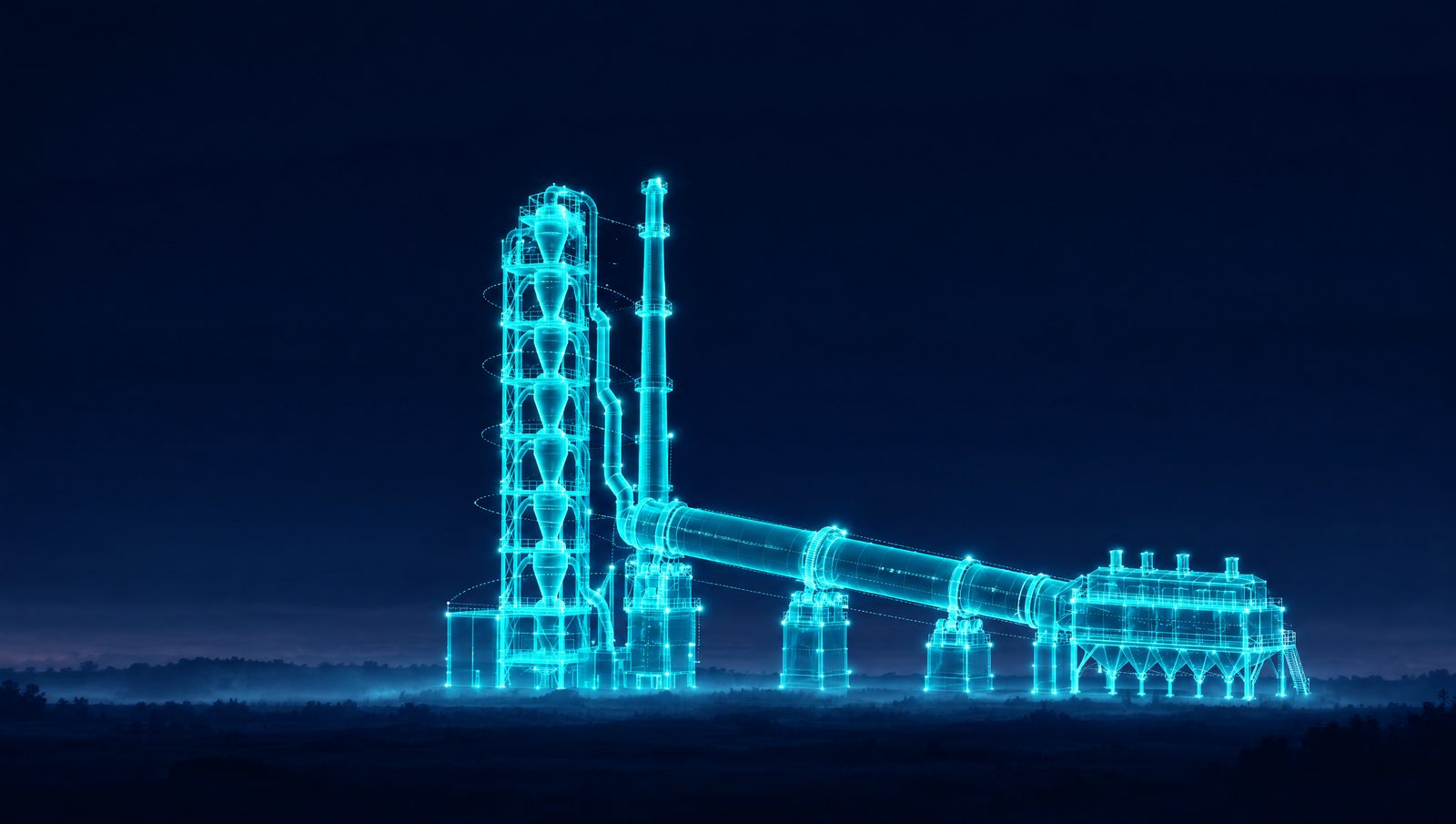
Closed-Loop Physical AI for cement
Closed-loop autonomous control for the cement line, from raw mix and kiln to clinker cooler, alternative fuels and finish mill.
- 20 to 30%reduction in process variability at Oxbow's petroleum coke calcining kilns, in closed loop
- 1 to 3%average yield improvement across deployments
- 15 to 30%reduction in energy consumption where energy is the optimization target
- Over 100closed-loop controllers deployed worldwide
Each team holds a small margin, and together they cost heat and power.
Quality holds a margin on free lime, kiln operators burn a little hotter, mill operators grind finer than target, and the fuel team backs off alternative fuel when the kiln gets unstable. Each call is reasonable on its own. Closed loop holds the line steady, so the extra heat and the extra grinding are no longer needed.
Where margin is lost.
Over-burning
Free lime arrives from the lab 30 minutes to hours late, so operators carry extra heat, at a cost in fuel and refractory life.
Unstable alternative fuels
Moisture, calorific value and ash change load to load, the burning zone drifts, and substitution stalls below what the kiln could take.
A cooler that caps the kiln
Weak heat recovery adds fuel to every tonne, and a feed cut made for a red river often becomes the default.
Overgrinding
Blaine is sampled once or twice a shift, so operators grind finer than target, at a cost in energy and tonnes per hour.
Along the line.
The kiln, the cooler and the mills form one system. The models learn it from the plant's own historian, and the controller moves the setpoints together, inside the limits operators set.
Free lime in range, with less heat margin.
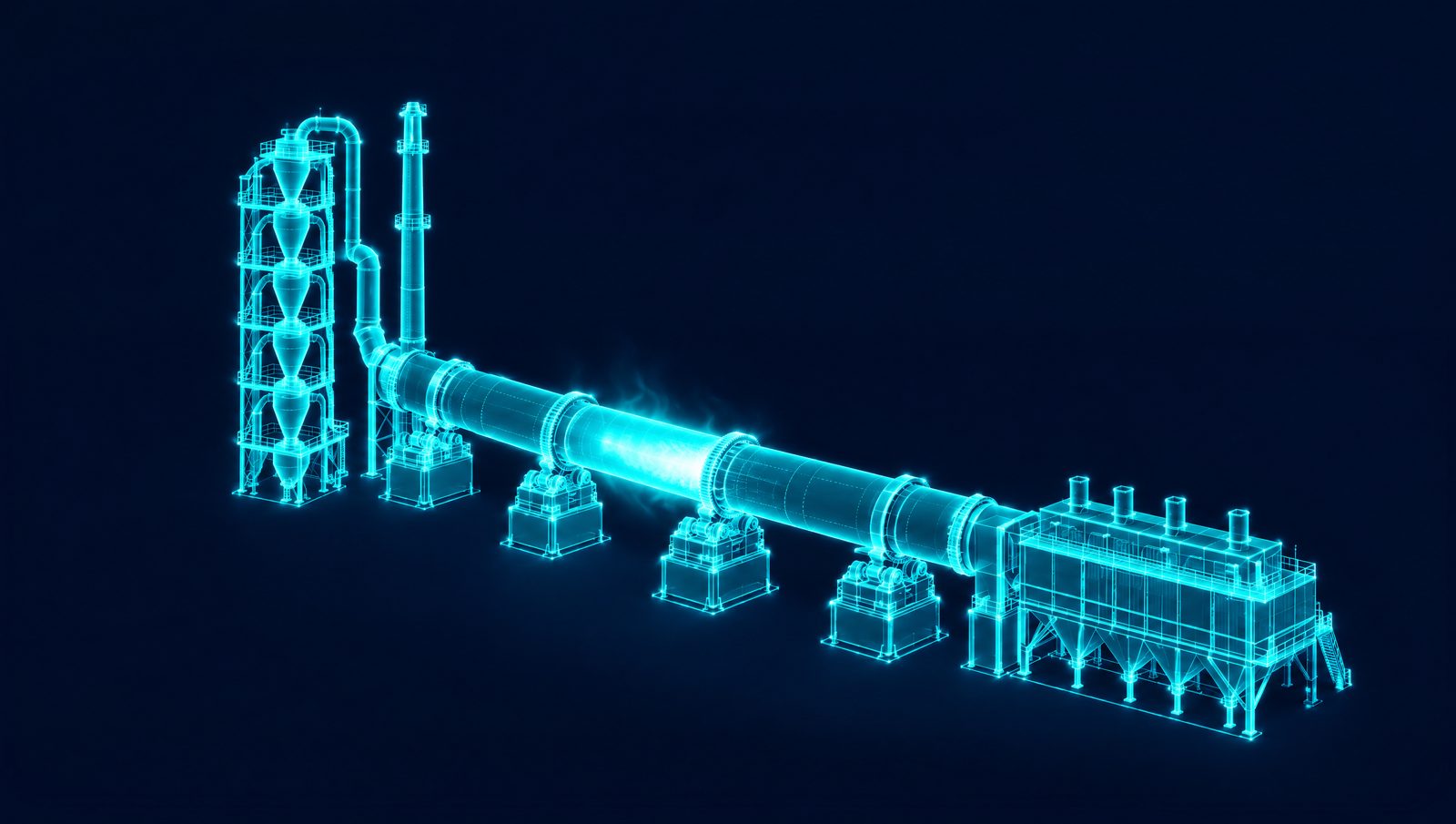
The preheater, calciner and kiln form one thermal system with long dead times, where burner momentum, air, draft, kiln speed and feed interact with feed chemistry and fuel quality.
DLPC® holds free lime and the burning zone in range while trimming the heat margin that lab delay forces operators to carry. A steadier burning zone also protects coating and refractory.
Stable as the fuel mix changes.
At higher substitution rates fuel variability is the normal condition. Fuel is dosed by volume, so heat input moves with calorific value even at a constant feed rate.
DLPC® recalculates setpoints with each change in the blend and gives operators a free lime estimate ahead of the lab, so clinker quality and kiln stability hold as substitution rises.
Alternative fuels in cement kilns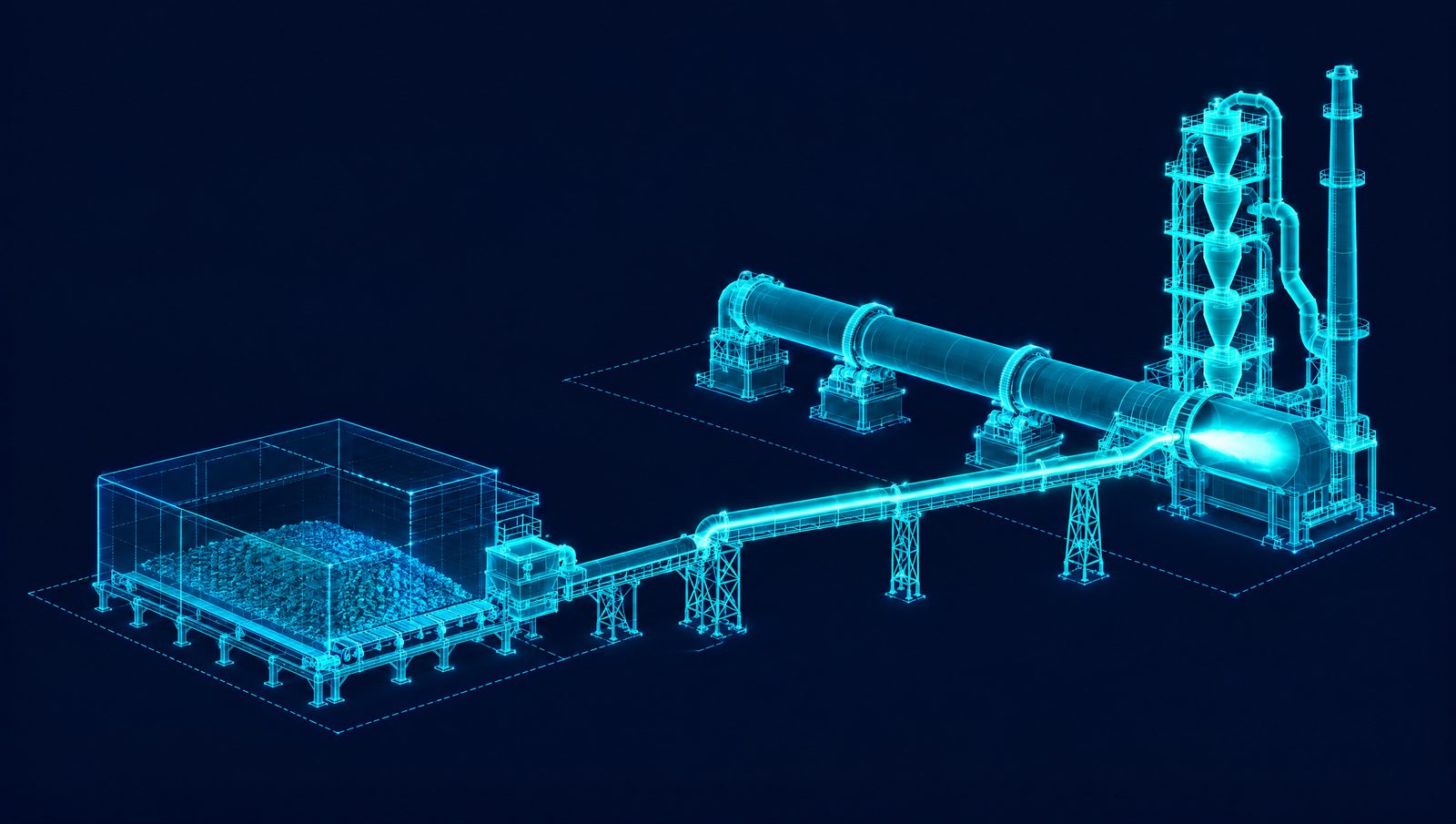
Steadier heat recovery, fewer feed cuts.
The grate cooler returns the clinker's heat as secondary and tertiary air. Recuperation depends on bed depth, air distribution and grate speed, and one loop can fix one zone while it worsens another.
DLPC® manages these together with secondary air temperature and kiln draft, for steadier heat recovery and fewer red river conditions.
Clinker cooler heat recovery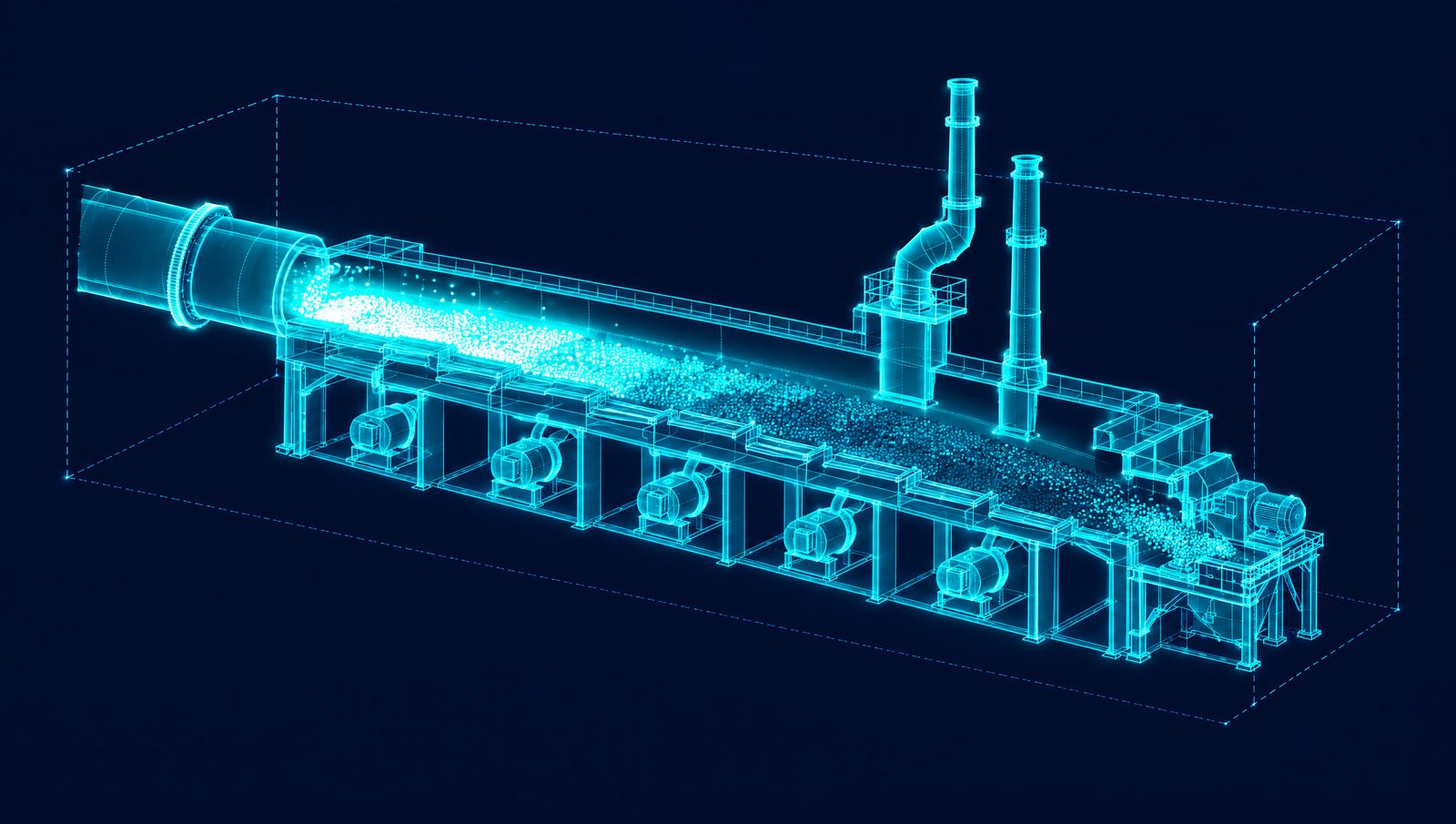
Set the raw mix and the burn together.
Raw meal chemistry sets the kiln's starting point. Analyzers and blending silos hold the lime saturation factor and moduli against quarry face variability.
When a limestone change calls for a correction at the raw mill feeders, the team can see how it moves predicted free lime before committing to it, so less of the drift reaches the kiln.
Fineness on spec at the lowest energy.
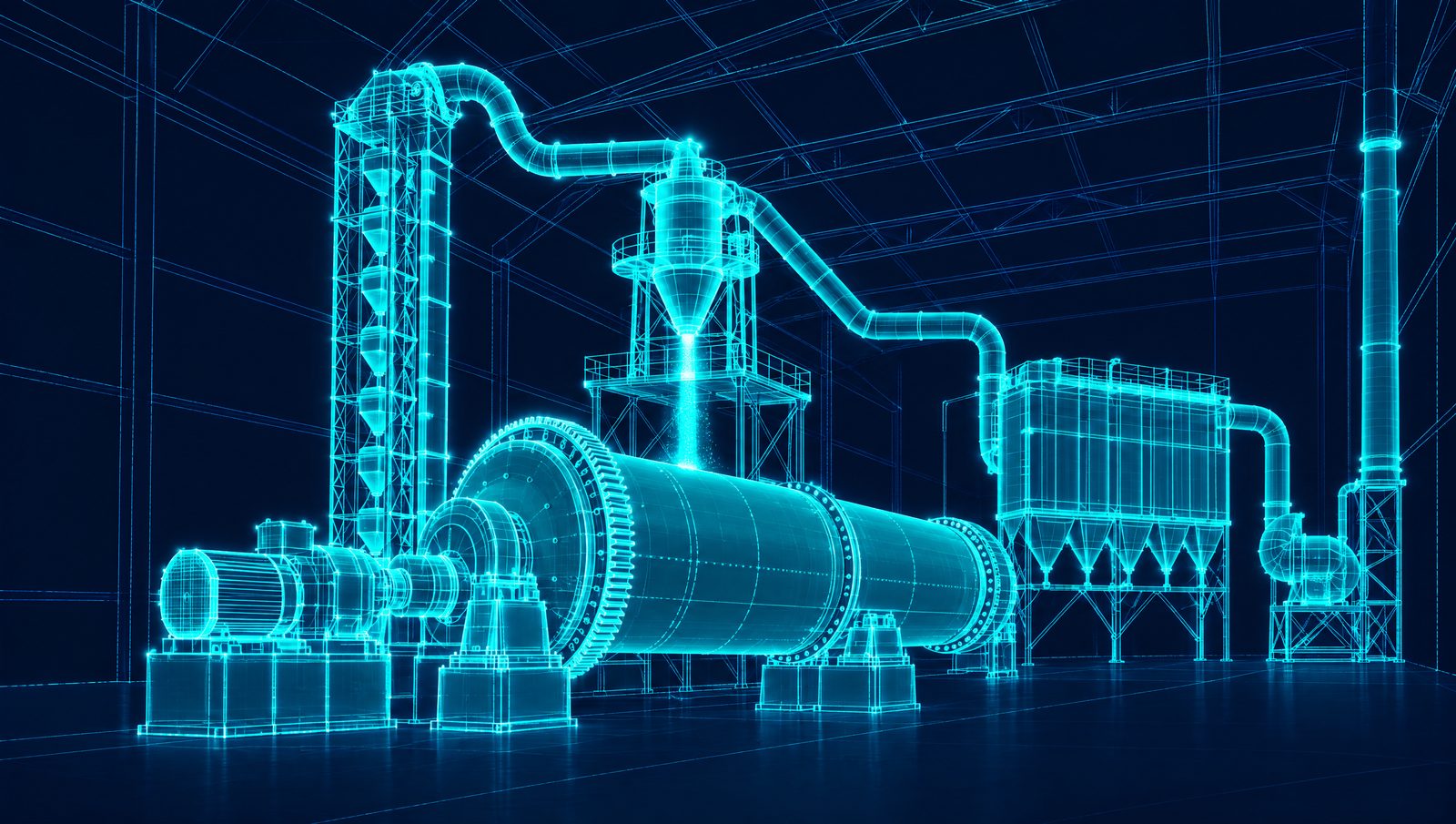
The finish mill is the largest single consumer of electricity in most cement plants. Feed rate, separator speed, ventilation, water and grinding aid interact, and static models lose accuracy as clinker changes.
DLPC® predicts Blaine from process signals and moves the setpoints together, toward fineness on spec at the highest throughput and lowest specific energy the circuit allows.
Finish mill throughput and fineness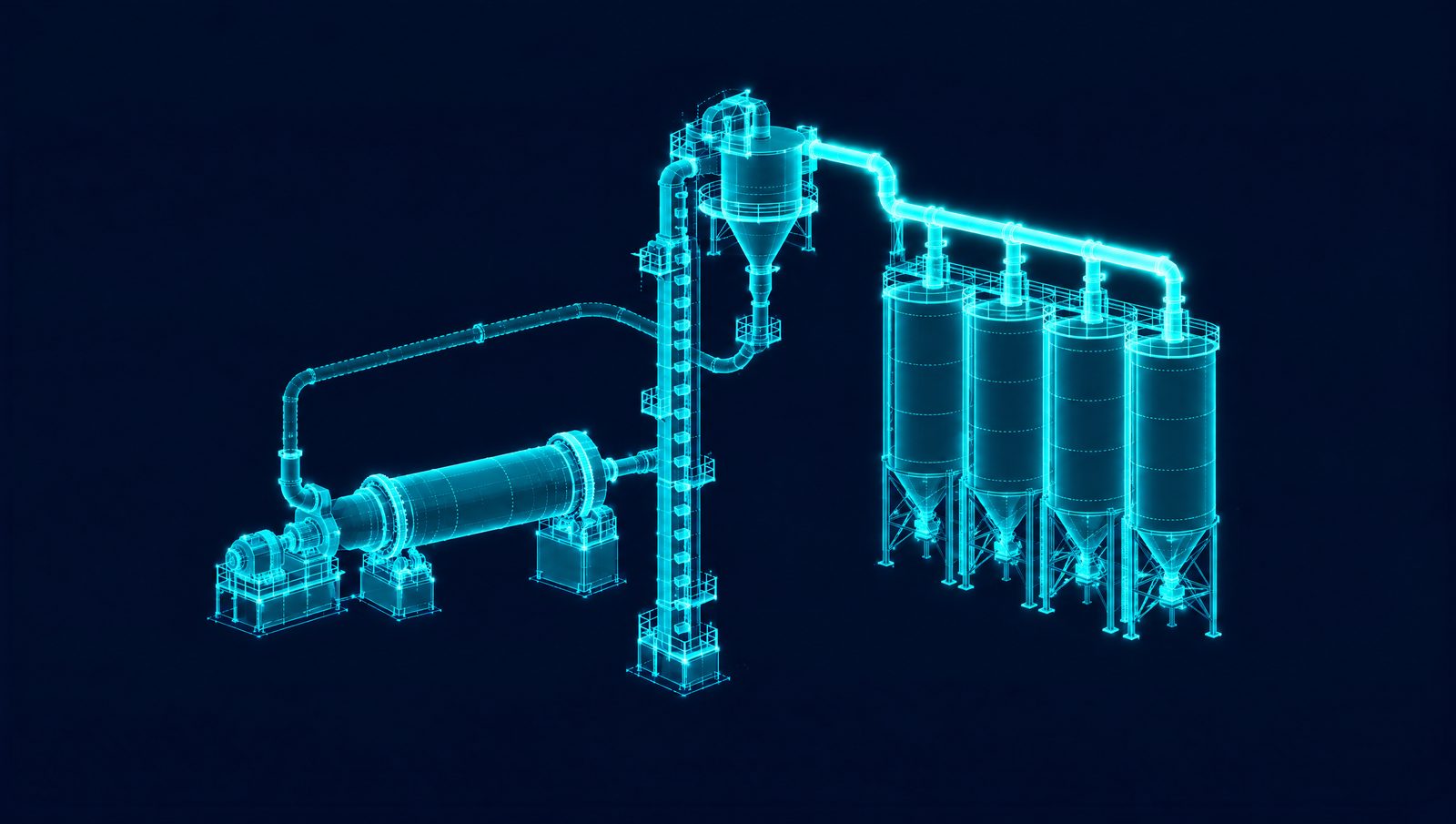
Map, Model and Control.
Map
Traces each gap to the recurring decision behind it, such as the burn target against free lime or this shift's alternative fuel rate.
How Map worksModel
Process engineers build the models in DLPC® Builder from the plant's own historian, with no Python and no machine-learning background.
How Model worksControl
A controller trained by reinforcement learning writes setpoints to the APC or DCS minute by minute, within the limits operators set.
How Control works
Running in closed loop.
Oxbow calcines petroleum coke in rotary kilns. Like a cement kiln, a calcining kiln balances yield against energy while feed and fuel vary and product specifications stay strict.
Oxbow's SmartKiln® petroleum coke calcination runs on Imubit closed-loop control. At Oxbow, that has meant a 1 to 3% yield improvement and a 15 to 30% reduction in natural gas consumption, while the product meets specifications.
Read the Oxbow storyWe have these younger, newer engineers that are coming in place of 30 year employees, who no longer have to wait 30 years to acquire that experience. With Imubit, they have an opportunity to come in and make their mark on the organization.
Kris Kissel-Weir, VP, Manufacturing Systems & Data Analytics, Oxbow
Where to start.
Five problems a plant can bring us, and the step where each one starts.
Heat margin carried for lab delay on free lime
Model free lime estimated between samples
Kiln upsets as the alternative fuel mix changes
Control setpoints recalculated with each blend change
Finish mill fineness held with energy to spare
Model Blaine predicted from process signals
Raw mix corrections that surprise the kiln
Model raw mill and kiln seen together
Cooler loops that fix one zone and worsen another
Control cooler zones managed together
Who provides closed-loop autonomous control for cement kilns?
Imubit. DLPC® holds free lime and the burning zone in range while trimming the heat margin that lab delay forces operators to carry, inside limits your engineers set.
Does it handle alternative fuels?
Yes. DLPC® recalculates setpoints with each change in the fuel blend, so the kiln stays stable as the fuel mix changes.
What results do cement plants see?
Across deployments, a 15 to 30% reduction in energy consumption where energy is the optimization target. On a related kiln process, Oxbow's petroleum coke calcining kilns, closed loop brought a 20 to 30% reduction in process variability.
Can it optimize the finish mill?
Yes. DLPC® predicts fineness (Blaine) from process signals between lab samples, so the mill holds fineness on spec at the lowest energy.
In depth
Where margin is lost between the plan and the plant
Every team on a cement line makes sound decisions against its own constraint. Quality holds a margin on free lime, kiln operators burn a little hotter to stay clear of high free lime, mill operators grind finer than target, and the fuel team backs off alternative fuel when the kiln gets unstable. Each call is reasonable on its own. Together they push the line toward conservative operation, and the losses concentrate in a few places.
- Over-burning against lab delay. By the time the lab reports free lime, the sample can reflect kiln conditions from 30 minutes to several hours earlier. Operators carry extra heat margin in between, which costs fuel and refractory life without making better clinker.
- Unstable combustion on alternative fuels. Refuse-derived fuel, tire-derived fuel and biomass change in moisture, calorific value and ash chemistry from load to load. The burning zone drifts, and the thermal substitution rate stalls below what the kiln could take.
- A cooler that caps the kiln. Weak heat recovery adds fuel to every tonne of clinker, and a feed rate cut made as a temporary response to a red river upset often becomes the default.
- Raw mix drift. Quarry chemistry that blending does not correct moves the lime saturation factor and silica modulus. An upward drift makes the mix harder to burn, which shows first as rising free lime and costs fuel and refractory life to correct. A downward drift burns easier but gives less reactive clinker and a higher risk of coating instability and ring formation.
- Overgrinding in the finish mill. Blaine and 45-micron residue are sampled once or twice a shift and reported 30 to 60 minutes later. Operators grind finer than target to cover the delay, at a cost in specific energy and tonnes per hour.
The same gap shows up across safety, reliability, margin, compliance and competency. Red river events, ring formation and unplanned kiln stops are reliability and safety exposures. Fuel mix and clinker factor set CO2 per tonne, which is where compliance pressure lands. The judgment that keeps a kiln steady sits with experienced board operators, and the share of US manufacturing workers over 55 more than doubled in twenty years, while retirement rates have surged (McKinsey, 2025).
How Map, Model and Control apply to a cement line
Map
Map traces each plan-to-plant gap to the recurring decision behind it: who makes it, how often, against which KPI and with what information. On a cement line these include the burn target against the free lime target, the alternative fuel rate for this shift's fuel, cooler grate and fan settings after an upset, separator speed for a Blaine target, and raw mix corrections when the analyzer moves. The result shows which gaps carry the most impact and which decisions are ready to model.
Model
The models are built with Deep Learning Process Control® (DLPC®). Process engineers build them in DLPC® Builder from the plant's own historian, with no Python and no machine-learning background. A Deep Learning Predictor learns a nonlinear dynamic model of each unit from its history, guided by first principles.
On the kiln, that gives a free lime estimate every few minutes from signals already in the DCS, such as burning zone temperature, kiln drive current, feed rate, fuel flow, kiln speed, preheater exit temperatures and gas composition. In the finish mill it gives a Blaine prediction from mill process signals ahead of the lab. The models recalibrate as lab results come in, so they stay tied to current raw materials and fuels.
Operations, quality, maintenance and process engineering work from the same model, so a fuel change or a new burn target can be judged on predicted free lime before anyone commits to it. DLPC® Sim App runs the controller offline, so a move can be tested without touching the plant. See the result of a change before you make it.
Control
A Deep Learning Controller, trained by reinforcement learning across millions of simulations, learns the control policy for the unit. It runs on-premise and writes setpoints to the APC or DCS minute by minute, within the limits operators set. The DCS, and the APC where there is one, keep handling regulatory control and stabilization. The controller recalculates the targets above them as fuel, feed and clinker conditions change, toward objectives such as the lowest specific heat consumption at the free lime target.
Operators stay in charge. ARC Advisory Group describes this as human on the loop, where the AI calculates and executes and the operator moves from manual controller to high-level supervisor. Plants typically start in advisory mode, comparing recommendations with their own calls, and move to closed loop as the model earns trust.
Where it runs on the cement line
Kiln and pyroprocess
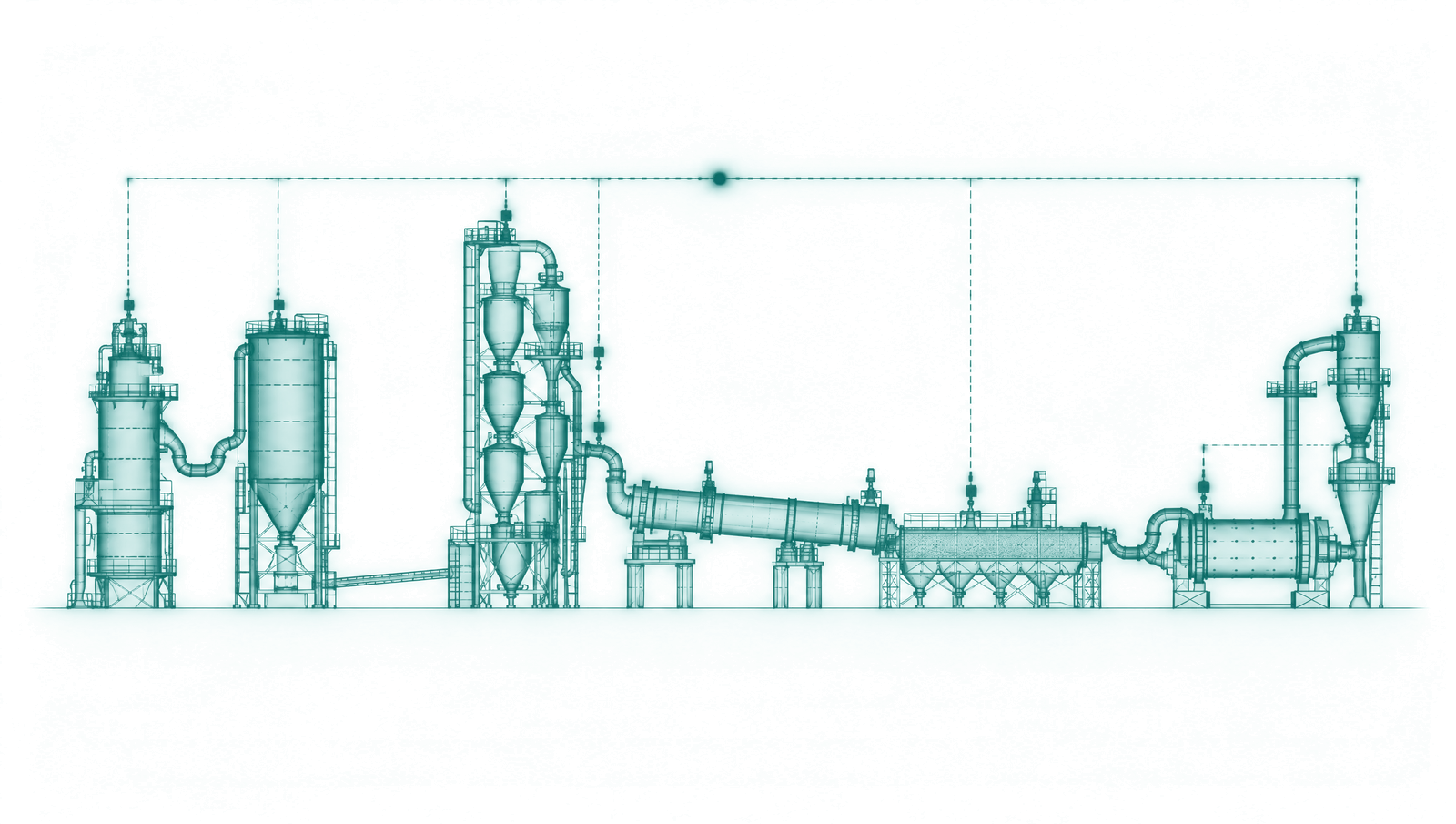
The preheater, calciner and kiln form one thermal system with long dead times, where burner momentum, secondary air, preheater draft, kiln speed and feed rate interact with feed chemistry and fuel quality. DLPC® holds free lime and the burning zone in range while trimming the heat margin that lab delay forces operators to carry, within constraints such as preheater exit conditions, stack oxygen, NOx and kiln drive load.
A steadier burning zone also protects coating and refractory, because thermal cycling and uneven coating shorten lining campaigns more than brick selection does. More consistent clinker makes it easier to raise supplementary cementitious materials and lower the clinker factor. See AI-optimized pyroprocessing, free lime prediction for real-time fCaO control and kiln refractory management.
Alternative fuels
At higher thermal substitution rates, fuel variability becomes the normal operating condition. Most fuel handling doses by volume, so heat input moves with calorific value even at a constant feed rate. A wet winter load of refuse-derived fuel cools the flame and raises free lime, and alkali in fuel ash affects clinker mineralogy. APC models calibrated at commissioning lose accuracy each time the fuel mix changes. DLPC® recalculates setpoints with each change in the blend and gives operators a free lime estimate ahead of the lab, which helps plants hold clinker quality and kiln stability as substitution rises. See alternative fuels in cement kilns.
Clinker cooler
Clinker leaves the kiln at around 1,400°C, and the grate cooler returns that heat as secondary air to the kiln and tertiary air to the calciner. Recuperation depends on bed depth, air distribution across the fan zones and grate speed. Particle segregation channels air through the coarse side of the bed, and a single loop on undergrate pressure can correct one zone while it worsens another. DLPC® manages these variables together with secondary air temperature and kiln draft, which matters most during feed rate changes. The aim is steadier heat recovery, fewer red river conditions and fewer feed cuts that outlast the upset. Secondary air temperature, clinker discharge temperature and fan power per tonne of clinker are the indicators to watch. See clinker cooler heat recovery and air distribution.
Raw mill and raw mix
Raw meal chemistry sets the kiln's starting point. Online analyzers and blending silos hold the lime saturation factor, silica modulus and alumina modulus against quarry face variability. When a limestone quality change calls for a correction at the raw mill feeders, the team can see how it moves predicted free lime before committing to it. The raw mix and the burn can then be set together, so less of the chemistry drift reaches the kiln.
Finish mill
The finish mill is the largest single consumer of electrical energy in most cement plants, whether it is a ball mill, a vertical roller mill or a roller press ahead of a ball mill. Feed rate, separator speed, mill ventilation, water injection and grinding aid dosage interact. Raising separator speed tightens fineness, but circulating load climbs and throughput drops. Static models also lose accuracy as clinker grindability and additive moisture change.
DLPC® treats the circuit as one coupled system. It predicts Blaine from process signals and moves the setpoints together toward the economic optimum, which is fineness on spec at the highest throughput and lowest specific energy the circuit allows. It can also coordinate grade changes between ordinary Portland and blended cements to shorten the off-spec window. Steadier clinker from the kiln reduces the load on the mill as well. See finish mill throughput, fineness and the energy trade-off.
Proof
Imubit has over 100 closed-loop controllers deployed worldwide. That is the largest install base in the industry, backed by 7+ years of closed-loop engagement in production. Each result below carries the scope it applies to.
- 20 to 30% reduction in process variability at Oxbow's petroleum coke calcining kilns, running in closed loop.
- 1 to 3% average yield improvement across deployments.
- 15 to 30% reduction in energy consumption where energy is the optimization target.
Oxbow: closed-loop control in petroleum coke calcining
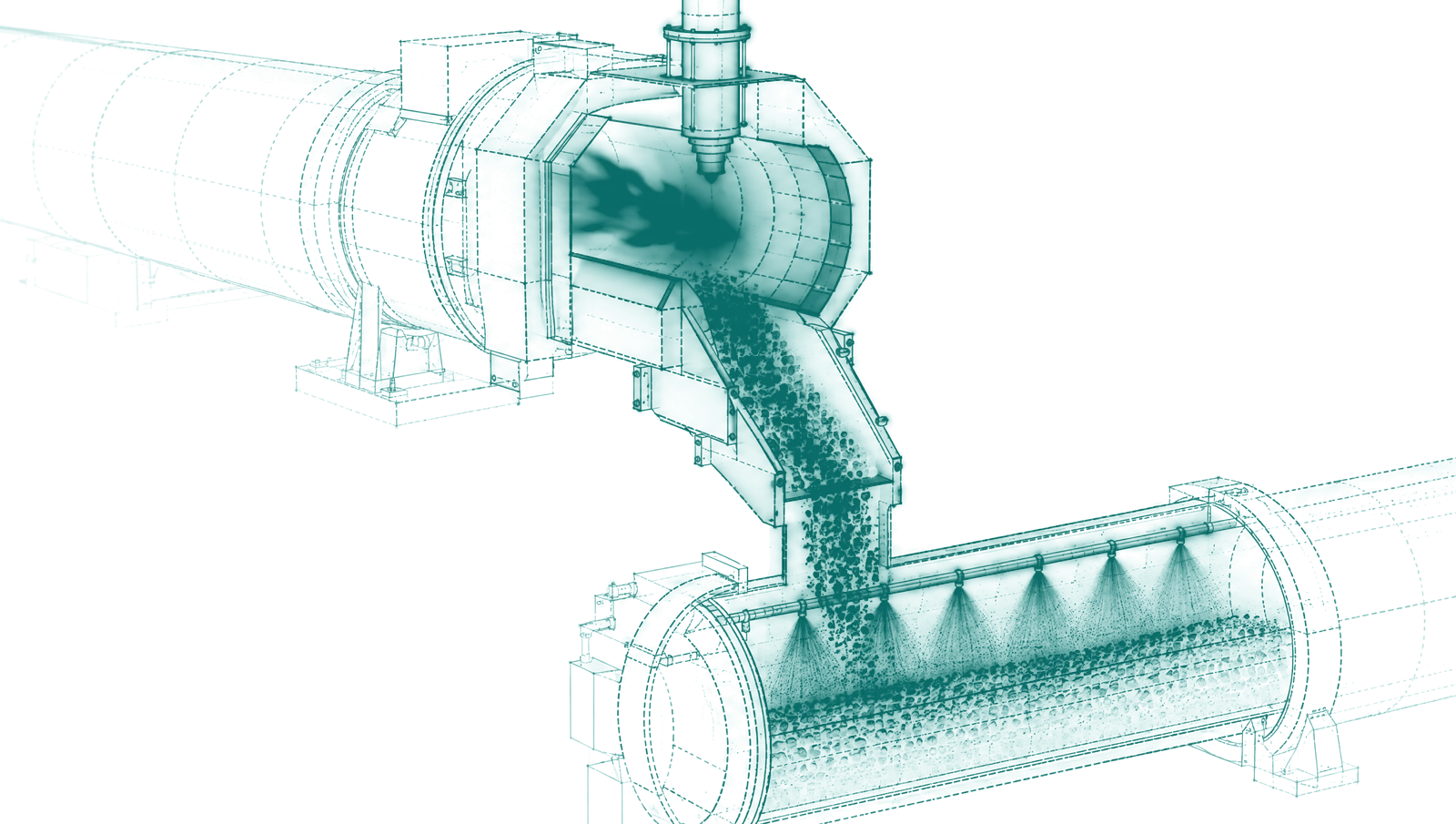
Oxbow calcines petroleum coke in rotary kilns. Like a cement kiln, a calcining kiln has to balance yield against energy while feed and fuel vary and product specifications stay strict. Oxbow's SmartKiln® petroleum coke calcination runs on Imubit closed-loop control. The controller anticipates volatility in the process and adapts the kiln in real time. At Oxbow, that has meant a 1 to 3% yield improvement and a 15 to 30% reduction in natural gas consumption, while consistently meeting product specifications. Higher yield from the same kiln is also how SmartKiln® supports decarbonization.
We have these younger, newer engineers that are coming in place of 30 year employees, who no longer have to wait 30 years to acquire that experience. With Imubit, they have an opportunity to come in and make their mark on the organization.
Read the Oxbow case study.
Related reading
All articles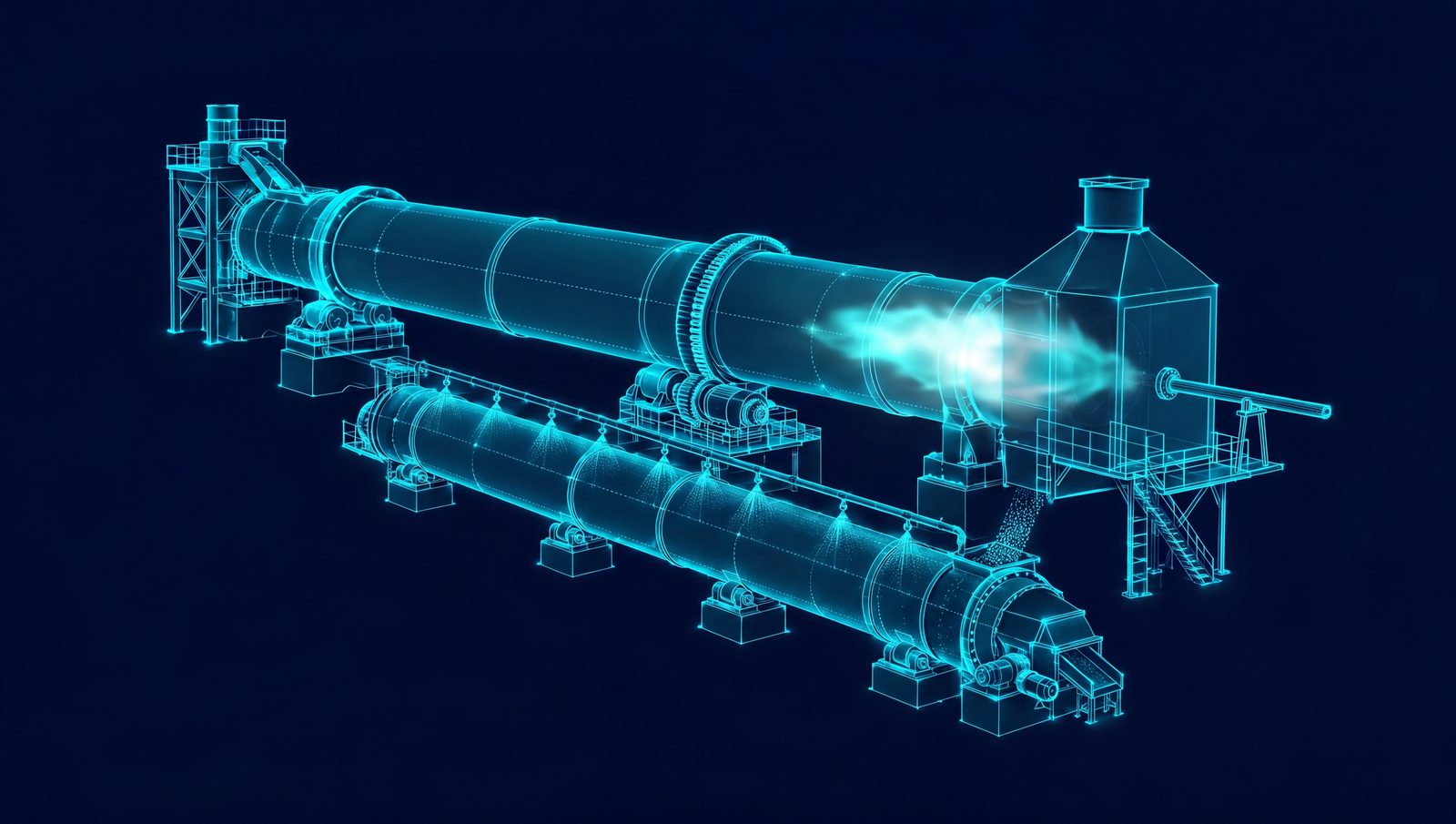
Oxbow runs petroleum coke calcining in closed loop
Oxbow runs its rotary kiln operations for petroleum coke calcining in closed loop with Imubit, raising yield and cutting natural gas use within specification.
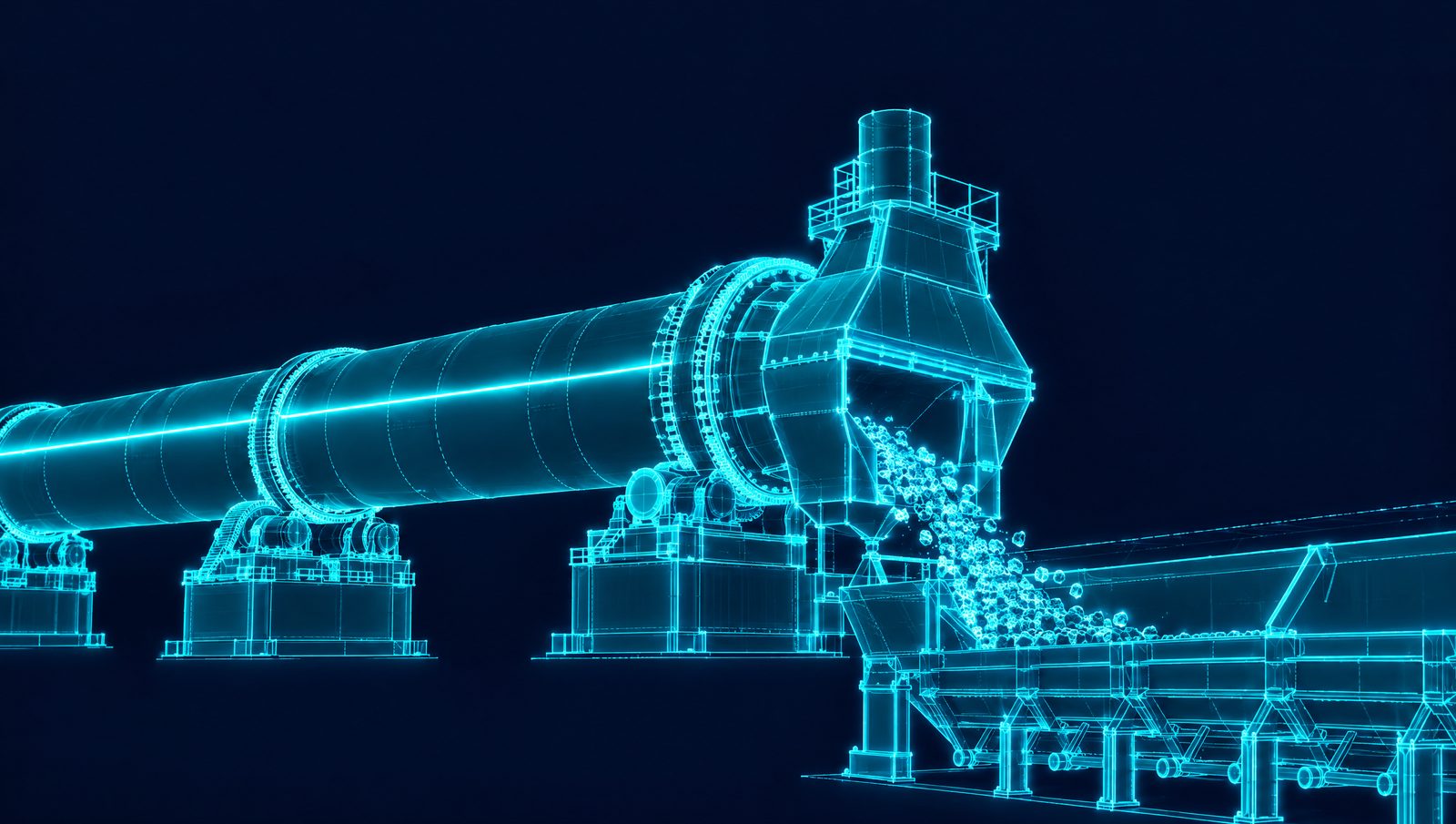
Free lime prediction for real-time fCaO control in cement clinker
Why lab delay pushes cement kilns into over-burning, and how a soft sensor built on DCS signals gives operators a continuous free lime estimate between samples.
Alternative fuels in cement kilns and combustion control
Why alternative fuels destabilize the kiln as substitution rises, and how learned models hold clinker quality ahead of the free lime lab result.
Find out what your gap to plan is costing you.
We start by mapping where each of your plant's operating decisions sits today on the path to autonomous operation, and which kiln, cooler and mill decisions are worth taking to closed loop first.
One to two hours for your team to prepare and upload the data package
Results within a few working days of approval
No workshops
Send your data as it is. Gaps, outages and noisy tags are normal, and our engineers screen and clean them in the platform. If anything limits a use case, we tell you.