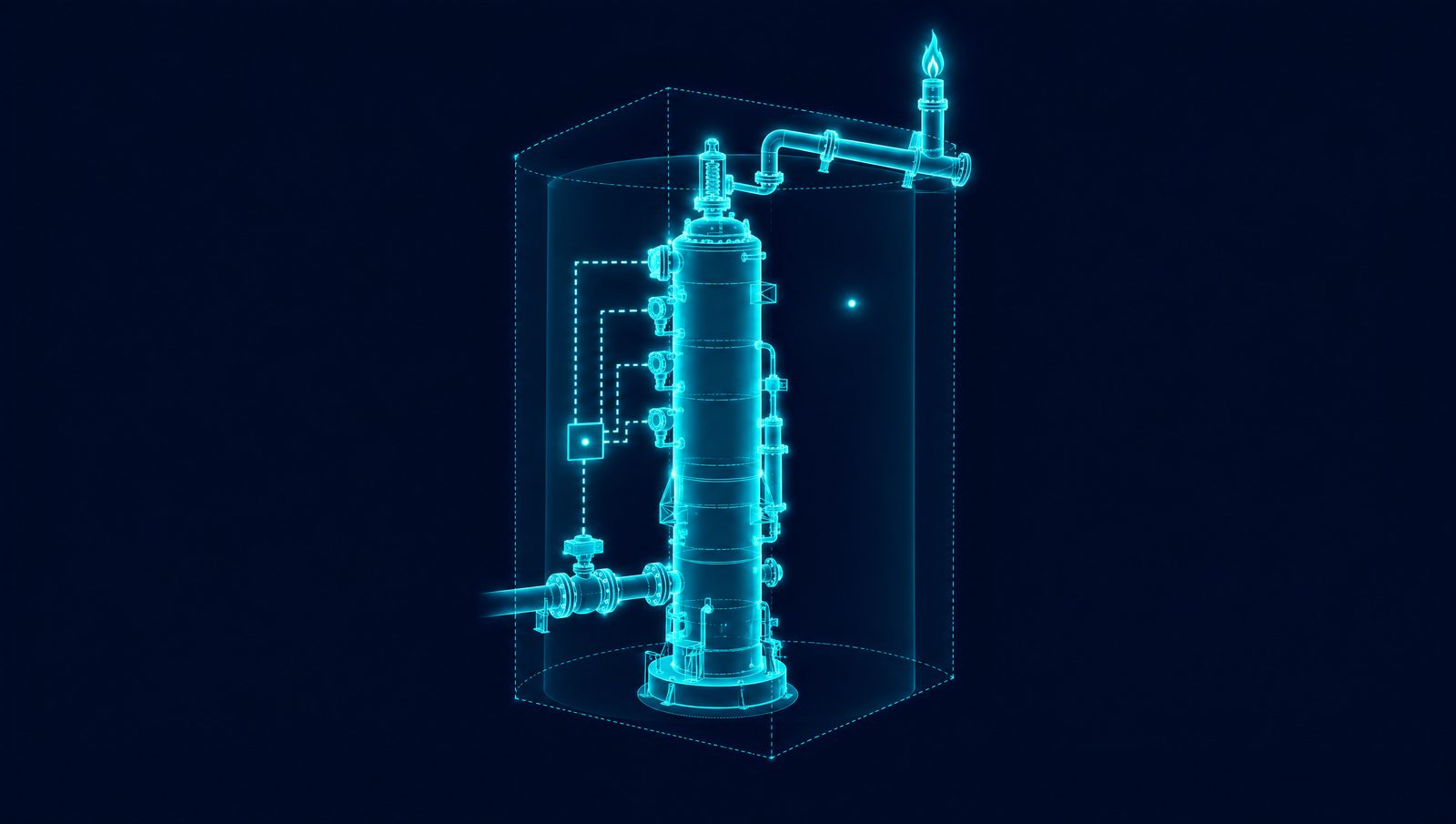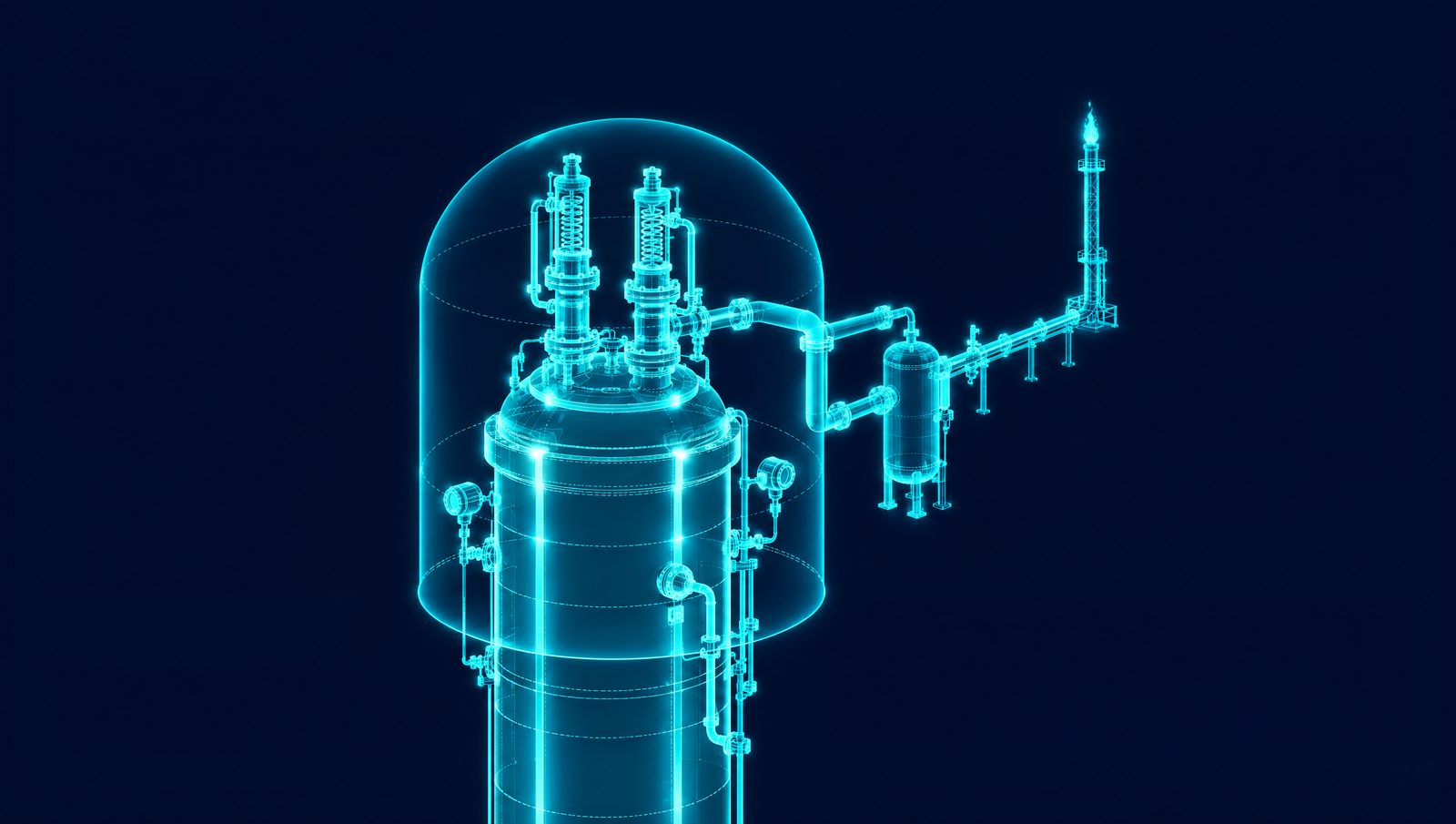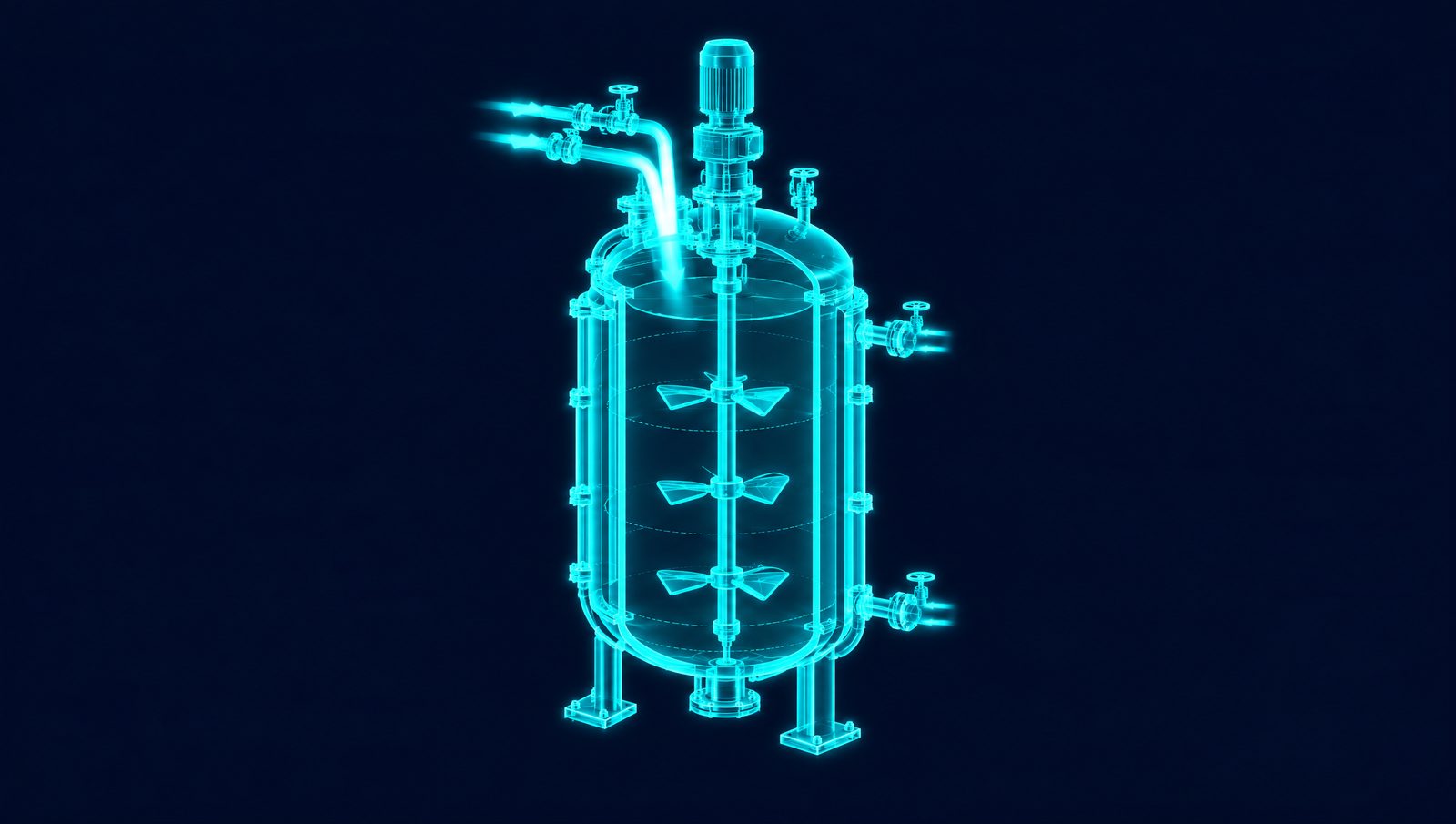
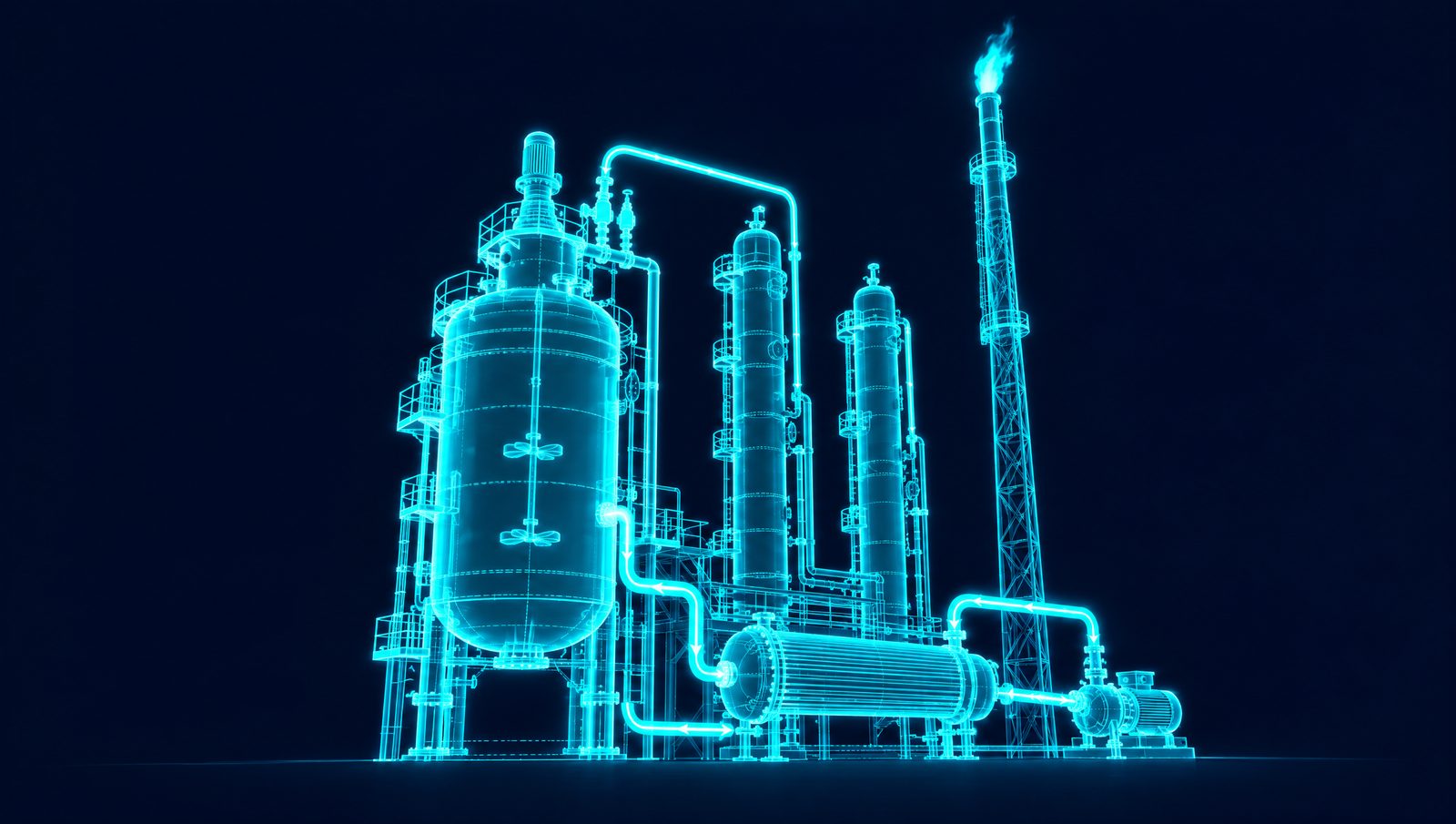
Research on process industry accidents finds human factors among the main causes. Many serious incidents trace back to a lapse in judgment, a fatigue-induced mistake or a moment of distraction during a critical task. In high-hazard chemical operations, those errors can lead to equipment failure, toxic releases and extended shutdowns that harm people and the business.
Closed-loop optimization does not take the place of any layer of protection. Alarms, interlocks, safety instrumented systems and relief devices keep their roles. It works in the operating layer beneath them, on top of the DCS, where it holds the process more steadily inside its limits, shows drift earlier and takes routine moves off the board operator. Each of those supports a plant's process safety management system.
Fewer manual moves in routine control
A board operator makes many temperature, pressure and flow adjustments every shift, on top of everything else the role demands. A controller trained on the plant's own history can take on the routine moves. It writes setpoints to the APC or DCS minute by minute and keeps critical variables inside their operating limits while the operator keeps authority. With the routine moves handled, more of the operator's attention is free for alarms, abnormal situations and the other units on the board.
Consider a night shift in which a reactor trends toward higher temperature while two other units need attention. Before the high-temperature alarm, the controller can trim feed and increase cooling, and each move is recorded. The operator watches those moves from the board instead of recovering from an excursion. Consistent moves across shifts leave less room for fatigue-driven mistakes, and the record keeps operating expertise searchable.
Fewer judgment errors in routine control can mean fewer incident investigations and less unplanned downtime, and the team spends more of its time on improvement and less on firefighting.
Holding the process inside its safe operating envelope
Hazard analysis defines the bands for temperature, pressure and composition that a unit must stay inside. Frequent feedback from pressure transmitters and analyzers lets the controller correct deviations before they drift toward the edge of those bands.
An operator may need minutes to notice a slow pressure rise, trace its cause and respond, and an excursion can build during that time. The controller evaluates the unit every minute, so slow drift is acted on as it develops. Continuous analysis of plant data also picks up the slow trends that have historically come before serious upsets, such as declining cooling water performance or creeping feed fouling.
Exothermic reactors show why this matters. Holding feed rate and cooling in balance keeps the reactor away from the conditions in which heat release can outpace heat removal. Protection against a runaway reaction remains the job of the plant's safety instrumented systems and relief design. A steadier reactor makes it less likely those systems are called on.
Operating limits are set as hard constraints, well inside design limits such as maximum allowable working pressure (MAWP), and the controller works inside them. By following trends, the model can also show when a variable is heading toward a limit, so the team can act well before an alarm sounds.
Less stress on equipment
When temperature and pressure hold steady instead of cycling between extremes, there is less thermal cycling, mechanical fatigue and vibration. Those are the forces that wear reactor walls, furnace tubes and compressor seals. Units that keep pressure steady within design limits avoid the pressure spikes that cause gasket leaks and stress flanged joints, and equipment lasts longer.
Equipment-health signals such as vibration, bearing temperature and motor current can be brought into the same view as process conditions. When small deviations appear, maintenance can be planned before a failure forces an emergency shutdown. That supports plant reliability, steadier production and confidence in plant integrity.
Consistent compliance and a clear record
Keeping every vessel, reactor and vent inside its approved limits is a continuous obligation. Under OSHA Process Safety Management and the EPA Risk Management Program, those limits are documented in the plant's process safety information. Automation that compares live readings with those limits and corrects drift early helps keep excursions from developing in the first place.
Every setpoint move the controller makes is time-stamped in the control system record. Process safety engineers get a trail for inspections, incident reviews and targeted training without piecing events together from paper logs. The same data supports early warning. If pressure trends toward its operating limit, the team knows well before relief devices or design limits come into play. Steady operation inside the limits also protects throughput.
A more proactive safety culture
When the controller handles routine adjustments, engineers and operators gain time for risk assessments, improvement workshops and long-term reliability studies. Moving from reacting to problems toward preventing them is a mark of a strong safety culture.
Operators need to be able to check the controller's work. When they can review each controller move against the process conditions at the time, they see why a pressure was trimmed or a feed pump slowed. Those reviews become short lessons in the unit's process dynamics.
Over time, maintenance, engineering and management work from one data-driven view of risk. Simulators that reproduce how the plant responds let operators practice abnormal situations, reinforce good operating practice and speed workforce development.
Safety and operating margin
The same feedback that keeps a unit inside its limits also trims energy use, steadies throughput and reduces wear on equipment. Regulators and stakeholders expect process safety to be built into daily operations instead of added afterward, and steady, closed-loop control is one way to build it in.
How the Imubit Platform applies
For chemicals and polymers, Map traces upsets, excursions and lost margin to the recurring decisions behind them. Model uses Deep Learning Process Control® (DLPC®) to learn each unit's nonlinear dynamics from its own history, guided by first principles. Control takes those decisions to closed loop on top of the existing APC and DCS, writing setpoints minute by minute inside the limits set by the plant's hazard analysis, with operators able to take over and the safety instrumented systems left independent.