Industrial AI is revolutionizing kiln management for industries like cement, minerals, and lime processing. Facing high energy costs and environmental pressure, traditional methods are inefficient. AI optimizes real-time operations by trimming excess heat for energy savings, minimizing downtime for increased production, and stabilizing thermal profiles for consistent product quality. This closed-loop AI control offers measurable improvements in profitability and environmental footprint.
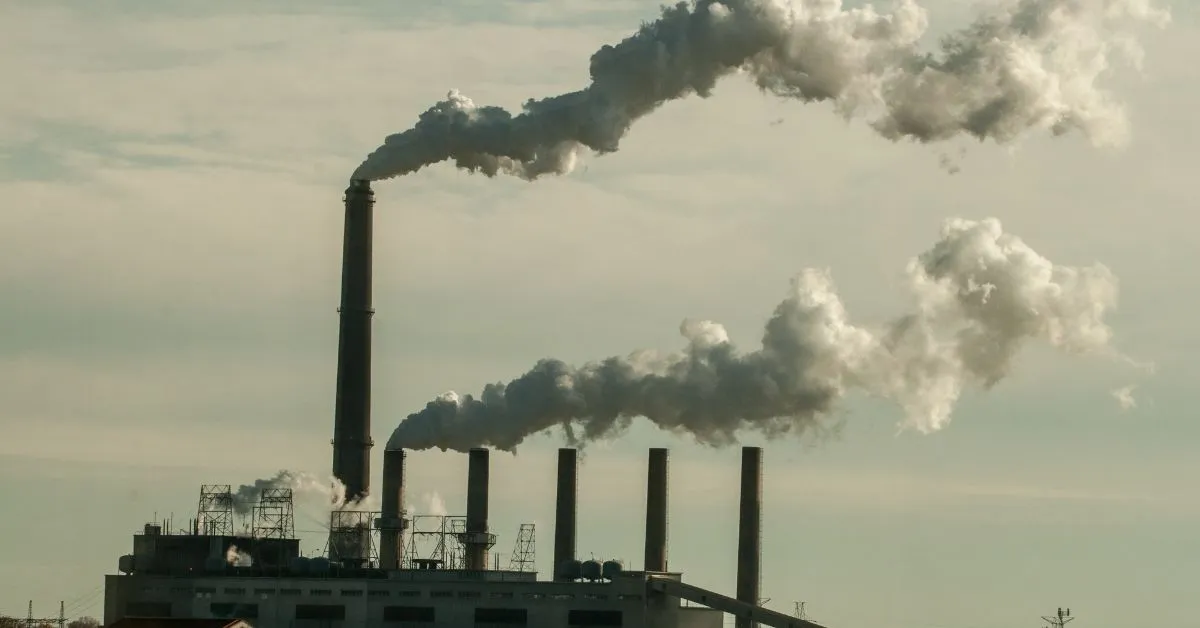
Energy is a major cost in kiln operations, often accounting for a significant portion of total manufacturing expenses. The cement sector alone produces roughly 8% of global CO₂ emissions. This reality, along with spiraling energy expenditure and mounting environmental pressure, creates a pivotal moment in kiln management.
Process industry leaders face mounting constraints daily. Fuel prices swing unpredictably, carbon-pricing schemes tighten, and customers demand ever-tighter quality specifications. Traditional kiln control strategies often rely on conservative setpoints that burn excess fuel and sacrifice throughput just to stay within safety margins. The result is untapped optimization potential hiding in plain sight.
Industrial AI changes that equation entirely. By learning from your plant-specific operations in real time, advanced AI techniques can trim unnecessary heat, push throughput safely higher, and lock in consistent product quality. The following sections explore three AI-powered approaches that translate those capabilities into measurable improvements for your bottom line.
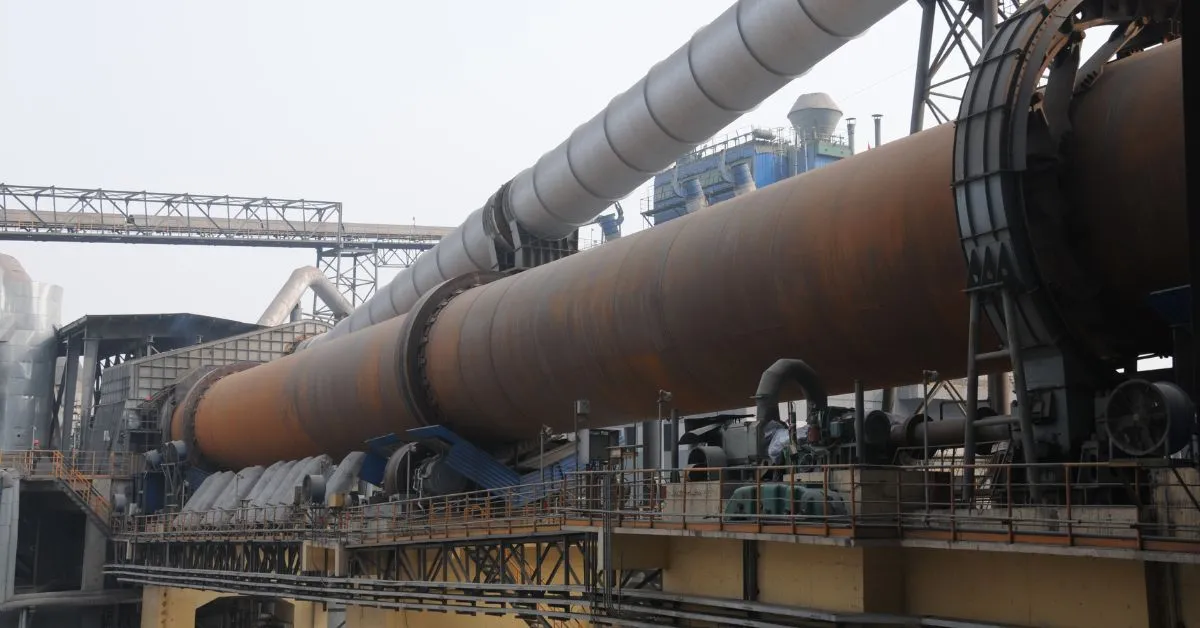
Kilns sit at the heart of cement, lime, and minerals processing—and they devour fuel. Every extra degree in the burning zone drags down profits and pushes emissions upward. Industrial AI finally gives you the tools to rein in that energy appetite.
The model watches thousands of signals in real time, from flame shape and temperature profiles to draft pressure and fuel flow. Rather than waiting for lab results or manual trend checks, it continuously learns how your kiln responds to raw-mix changes, alternative fuels, or weather shifts. When it spots a drift, rising free-lime or excess oxygen in the stack, it trims fuel and air immediately, holding the burn zone at the lowest safe temperature.
Closed-loop control eliminates the conservative buffers operators have long relied on. Those buffers, extra coal, higher secondary air, slower feed, protected quality, but wasted energy. With self-learning algorithms, your furnace no longer needs that margin. The model enables tighter set points, seals false air leaks, and avoids overburn that chews through refractory life.
Less fuel burned means fewer Scope 1 emissions and a leaner cost per tonne. The same real-time corrections that save energy also stabilize thermal profiles, so you can push feed rates with confidence and avoid the stop-start cycles that erode productivity. As power prices climb and carbon regulations tighten, those incremental kilocalories translate into stronger EBITDA and a lighter environmental footprint.
Every production slowdown shows up on your revenue statement: fewer tonnes out the door, higher cash cost per tonne, and a backlog that ripples across finish mills. AI helps you reclaim that hidden capacity by treating downtime as a preventable event rather than an operational fact of life.
The first step is constant vigilance. Modern models track subtle warning signs, bearing temperatures, refractory wear, shell ovality, and burner drift, long before they hit alarm limits. By learning what “healthy” looks like for your specific furnace, the model flags deviations so you can intervene during planned stops instead of scrambling after an unscheduled shutdown.
Advanced monitoring technologies deepen those insights. Infrared cameras map the full thermal profile, LIDAR creates high-resolution 3-D scans of inner geometry, and computer vision software detects hairline cracks you would never catch with manual rounds. With health risks managed, closed-loop AI control can safely nudge feed rates toward the true constraint instead of the conservative buffer operators have been forced to keep.
Because the model keeps learning, it also shortens recovery when something does go wrong. Plants using AI-driven diagnostics report steeper drops in repair time as technicians arrive with an exact failure mode and location in hand. Fewer emergency stops and quicker turnarounds translate into steadier heat balance, smoother material flow to finish mills, and a production schedule you can finally trust.
You know the frustration that comes when free lime or lime saturation factor drifts outside targets, forcing you to slow the finish mill or, worse, downgrade an entire batch. Chemistry is extraordinarily sensitive: subtle swings in raw-meal chemistry, moisture, or burn-zone temperature can turn today’s clinker into tomorrow’s off-spec inventory. Traditional manual fixes rarely react fast enough to stop the slide.
Industrial AI closes that gap by watching every variable at once. Continuous data streams from shell scanners, infrared cameras, gas analyzers, and sample results flow into a single model that learns how each signal affects crystal formation and phase proportions. When the model detects a pattern that usually precedes excess free lime, it trims fuel, tweaks draft, or adjusts feed blend in real-time, often minutes before an operator would spot the issue. Field deployments show significant temperature variance reductions after activation, directly improving clinker uniformity.
Unlike traditional advanced process control (APC) loops tuned to a handful of tags, AI marries high-frequency process data with slower lab feedback, then keeps updating itself as quarry geology or fuel mix evolves. That self-learning capability means you maintain tight specification windows even during seasonal raw-meal swings, without adding conservative heat cushions that waste coal.
Quality consistency pays off quickly in multiple ways. Premium pricing becomes possible for every tonne that meets the narrowest performance specs. Rework diminishes along with bypass piles and grindability corrections. Steady feed enables downstream mills to run at higher, more predictable capacity levels.
Equally important, AI remains transparent. Dashboards surface the handful of variables driving each recommendation, so you can override when needed and learn why the move worked. Many plants even run the model in advisory mode first, turning the interface into a live simulator that accelerates operator training and preserves hard-won domain expertise.
Because the same model also optimizes fuel flow and draft, you gain product stability without giving up the energy and throughput improvements covered earlier. The result is a virtuous loop: consistent clinker unlocks higher selling prices, cuts rework costs, and keeps every downstream unit on target, all while the production unit itself runs leaner and longer.
Imubit’s Closed Loop AI Optimization delivers proven results across all profitability levers: energy use, throughput, and product consistency. Plants achieve 5–10% increase in clinker production with steadier quality, generating millions in annual value.
Our Industrial AI solution integrates seamlessly with existing equipment, using reinforcement learning to optimize setpoints in real-time. Ready to transform your operations? Prove the value of AI at no cost with our complimentary expert assessment that identifies high-impact opportunities specific to your facility.