The manufacturing industry faces a major talent shortage due to an "outdated" reputation, threatening 2.1 million jobs by 2030. AI and intelligent automation are changing this narrative by creating modern, data-rich operations. This technology attracts younger workers by offering cutting-edge tech, tech-savvy career paths, continuous learning, improved safety, and opportunities for immediate, measurable impact and innovation.
The talent crunch is here: a Deloitte analysis projects 2.1 million U.S. manufacturing roles could stand empty by 2030, threatening production schedules and long-term growth. Nearly half of process industry leaders—45% in a recent Imubit survey—say the sector’s “outdated” reputation remains their biggest hiring obstacle.
This creates an urgent, double-edged constraint: soaring demand for skilled workers just as the next generation looks elsewhere for innovative, purpose-driven careers.
Artificial intelligence is changing that narrative. From self-optimizing control rooms to collaborative robots and dynamic simulators, AI is recasting front-line operations as data-rich, high-impact environments.
Five specific ways emerge where these technologies modernize the industry’s image, unlock tech-centric career paths, accelerate learning, boost safety, and let young professionals see their ideas translate into measurable results.
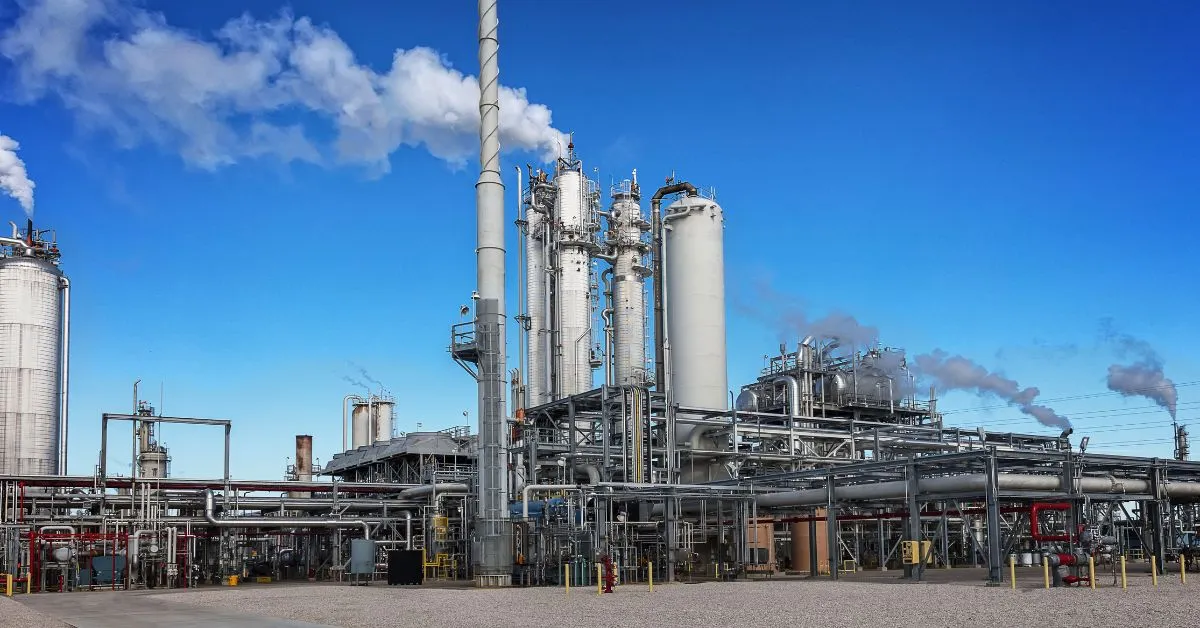
Young professionals still picture smoky plants and repetitive shifts, so they look elsewhere just when the sector needs their digital fluency most. This perception problem drives talent away as much as any skills shortage.
Modern control rooms tell a different story. AI-powered dashboards pull live data from thousands of IoT sensors, recommend set-point changes in real-time, and visualize the impact on energy use or emissions in a single click. Operators now collaborate with intelligent systems rather than compete against them.
The shift is gaining recognition: 64% of consumers now view manufacturing as innovative, up from 39% in 2017. This momentum aligns perfectly with Gen Z’s preference for purpose-driven, tech-forward employers—turning an industry once seen as outdated into one that promises creativity, impact, and a front-row seat to industrial transformation.
The appetite for advanced technology runs deep among younger candidates. The World Economic Forum’s observation shows that 27% of Gen Z candidates want to work for companies at the forefront of the latest technologies and products, including AI, drones, and VR. Roughly one-third of process-industry executives—35%—say that “accelerated tech adoption” is the single most effective way to attract early-career talent.
AI adoption is turning that expectation into reality. Front-line operations now need Industrial Data Scientists who translate sensor data into process improvements, Automation Engineers who integrate cobots, and AI Modelers who refine reinforcement learning controllers that keep units on target in real-time.
These roles sit at the intersection of data analytics and plant-specific operations, creating clear, tech-centric career ladders for digitally native graduates.
Internal AI academies and cross-disciplinary model-building programs formalize the progression, ensuring that new hires can move quickly from analyst to architect while working on the cutting-edge tools they value most.
Many process-industry leaders say limited career development keeps young talent from signing on—and staying on the job. This barrier surfaces every time a promising applicant turns elsewhere for growth opportunities. Industrial AI embedded in training programs transforms that weakness into a recruiting advantage.
Instead of one-size-fits-all slide decks, modern platforms feed historical operating data into process simulators where new hires practice rare upsets in safe, virtual environments.
A reinforcement learning controller provides real-time feedback on every move. The result feels as natural as scrolling a social feed.
AI-driven connected-worker systems track skills objectively, removing bias from promotion decisions and revealing hidden strengths. Sites adopting these tools reported noticeable increases in upskilling opportunities for existing staff—evidence the technology doesn’t just train, it opens doors.
As platforms catalog performance data across operations, employers can confidently recruit beyond traditional engineering graduates, knowing the system will close experience gaps with targeted, data-backed guidance.
Workplace safety sits high on any career checklist for heavy industry roles. AI-powered automation is rapidly reshaping that conversation, pushing risk out of harm’s way and creating positions that rely more on insight than physical exposure.
Prediction leads the way. Machine-learning models sift through years of equipment logs to flag patterns that precede failures. Vision systems add a second layer of protection. Cameras linked to intelligent software instantly spot missing PPE or unsafe hand positions and trigger alarms before a supervisor can react.
Robotics extends the buffer even further. Studies show a 10% rise in robot deployment correlates with almost 2% fewer injuries, according to OH&S Online. Cobots handle the lifting and repetitive motions while workers program, monitor, and improve their routines.
Early-career engineers want to see their ideas move the needle right away. Industrial AI delivers exactly that. Process industry leaders who adopt these technologies expect significant profitability improvements as systems learn to cut waste, balance constraints, and fine-tune quality in real time.
Because these platforms update set points continuously, engineers can run an experiment in advisory mode in the morning and watch plant metrics shift before their next shift ends.
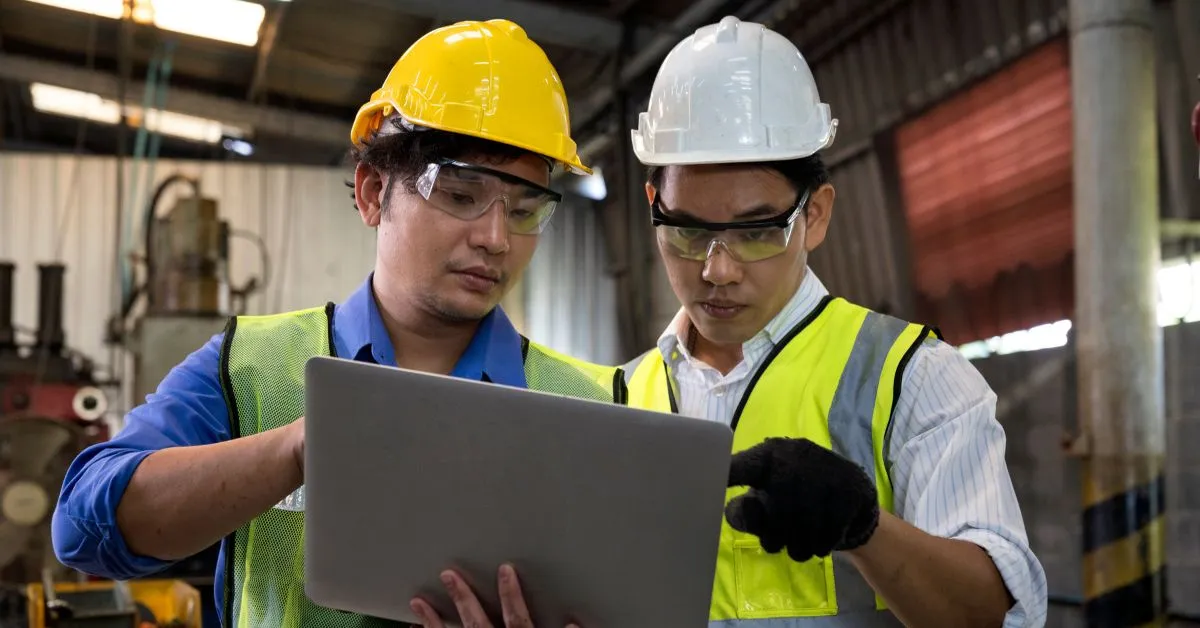
The cycle from idea to impact happens just as fast in front-line operations. Low-code interfaces now found across industrial automation suites let workers build and deploy models in hackathon-style sprints, even if they’re stronger in operations than coding.
Real-time dashboards surface every improvement, so early-career engineers earn instant credibility—and the satisfaction of seeing tangible, bottom-line results—without waiting years for a capital project to close.
This rapid feedback loop addresses a core constraint in traditional process industries: the long timeline from concept to measurable results. When young professionals can prototype solutions, test them safely in virtual environments, and see immediate operational improvements, they stay engaged and motivated to push further innovations.
Industrial AI transforms how young talent views front-line operations. It projects a modern image, opens tech-centric career paths, fuels continuous learning, raises safety standards, and lets professionals watch their ideas create real impact. This combination of innovation and measurable outcomes directly appeals to Gen Z expectations—consumers now view manufacturing as more innovative.
The timeline is tight. The talent gap threatens to leave millions of positions unfilled if the perception problem persists. Process industry leaders who act now—by integrating plant-specific operations with intelligent automation—position themselves as destinations for ambitious graduates while protecting production, safety, and profitability.
For process industry leaders ready to close that gap, Imubit’s Closed Loop AI Optimization solution offers a proven path forward. Schedule an Assessment with Imubit to see how closed-loop AI can help you recruit—and retain—the workforce of the future.